Two of the standout options in this space are Titan Email, a sleek, modern solution built for simplicity, and Zoho Mail, a comprehensive platform backed by an extensive ecosystem of business tools. Both offer custom domain email hosting but cater to very different user needs and business strategies.
This side-by-side comparison—grounded in feature analysis and user feedback from G2.com—breaks down their key strengths, pricing models, usability, and long-term value to help you choose the best email platform for your business in 2025.
Titan vs Zoho Mail at a Glance
| Category | Titan Email | Zoho Mail |
|---|---|---|
| G2 Rating | 4.6 / 5 (558+ reviews) | 4.4 / 5 (700+ reviews) |
| Best For | Freelancers, solopreneurs, small businesses | SMBs and enterprises needing integrated tools |
| Key Strength | Sleek interface, bundled with web hosting | Complete business suite (Zoho Workplace) |
| Highlight Features | Read Receipts, Follow-ups, Send Later | Admin Console, Docs, CRM, Tasks |
| Pricing | From $2–2.45/user/month, no free tier | Free for up to 5 users; Paid plans from ~$1/user |
| Ease of Use | Highly intuitive, beginner-friendly | Feature-rich, more complex |
| Customer Support | Highly rated | Some users report slower support |
While Titan receives a slightly higher user satisfaction score, each platform excels in different ways. Titan earns praise for its clean interface and simplicity, while Zoho is known for delivering serious functionality and scalable tools.
User Experience: Simple vs. Comprehensive
If you value a modern, uncluttered interface that makes email a pleasure to use, Titan leads the pack. Its design is clean, fast, and straightforward—perfect for busy entrepreneurs and teams that want to stay productive without a steep learning curve. Users frequently mention its ease of use and attractive interface.
Zoho Mail, in contrast, offers a more traditional interface, dense with features and settings. This makes it slightly more complex for new users, but powerful for those who need deep functionality. It serves as a portal into the full Zoho Workplace suite, turning your inbox into a multifunctional command center.
Productivity Tools: Smart Features That Work for You
Both platforms include tools designed to streamline communication and keep you on top of your email game.
Titan Email includes:
- Read Receipts – Know exactly when your emails are opened.
- Send Later – Schedule emails to send at the best time.
- Follow-up Reminders – Stay on top of responses with automatic nudges.
- Email Templates – Save reusable messages for common replies.
Zoho Mail expands on this with:
- Advanced Admin Panel – Ideal for managing multiple users and domains.
- Integrated Tasks and Calendar – Built-in tools to organize meetings and follow-ups.
- Notes and Bookmarks – Turn emails into actionable notes or save important messages for later.
The key difference? Titan offers immediate productivity in a polished package, while Zoho delivers robust, deeply integrated features across its suite of apps.
Collaboration and Ecosystem Integration
This is where the two platforms take radically different paths.
Titan integrates tightly with web hosting providers like Hostinger, WordPress.com, and Namecheap. It’s often available as a bundled add-on during website setup, making it incredibly convenient for new businesses. However, it doesn’t yet have the breadth of integrations seen in larger ecosystems.
Zoho Mail, on the other hand, is part of the broader Zoho ecosystem—a suite of over 40 business apps that work in perfect sync. With Zoho CRM, Books, Projects, Docs, and more, Zoho Mail becomes more than an email client—it’s the gateway to your entire digital workplace. For teams that want everything in one place, this ecosystem is a major advantage.
Pricing & Plans: Free vs. Premium-Only
Zoho Mail shines when it comes to affordability—especially for startups:
- Free Tier: Up to 5 users with 5GB storage per user and access to office tools.
- Mail Lite: Ideal for growing businesses needing more storage and control.
- Mail Premium: For advanced users needing larger attachments, encryption, and branding.
- Zoho Workplace: A bundled suite including Mail, CRM, Docs, Sheets, and more.
Titan Email, in contrast, doesn’t offer a free plan. Its pricing starts at around $2 per user/month, typically bundled with hosting services. The focus here is premium quality and simplicity, not freemium features.
Final Thoughts: Which One Should You Choose?
Your choice between Titan and Zoho Mail depends on your business structure, tech needs, and personal preference.
Choose Titan Email if:
- You’re a solopreneur, freelancer, or a small business owner.
- You want a modern, easy-to-use interface.
- You’re buying hosting and want integrated professional email.
- You need core features without the clutter of an entire suite.
Choose Zoho Mail if:
- You’re running or planning to scale a growing business.
- You want an all-in-one business platform with email, CRM, and accounting.
- You prefer a generous free plan to get started.
- You need high levels of admin control and customization.
Both Titan and Zoho Mail deliver exceptional value—but in very different ways. Titan is about polished simplicity and focus, while Zoho is about flexibility and integration. Whether you’re looking for an elegant inbox or a fully-fledged business operating system, there’s a solution tailored for you.
Zoho Mail
Get a Free Professional Email Account Now
AI website builders are groundbreaking tools that utilize artificial intelligence to simplify and accelerate the website development process. Unlike conventional website builders that heavily rely on manual design and coding, AI website builders automate various aspects of website development, making it accessible to users with minimal to no technical background. These builders employ algorithms to understand user needs and preferences, generating tailored website designs, content suggestions, and even search engine optimization.
SitesGPT: Crafting Impressive Websites in Minutes with AI
SitesGPT is an AI-driven website builder engineered to streamline the entire website development process. By employing sophisticated AI algorithms, SitesGPT grasps your requirements and automatically produces a website customized to your specific needs. Whether you aim to create a business website, a personal portfolio, an online store, or a blog, SitesGPT provides an intuitive and efficient solution.
Key Features of SitesGPT:
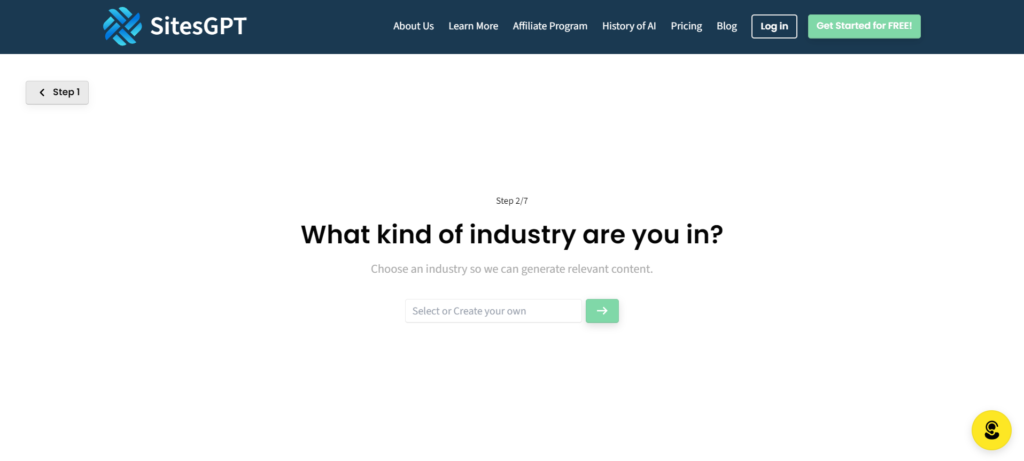
- Rapid AI-Powered Website Generation: The core strength of SitesGPT lies in its ability to generate a complete website within seconds. Users simply input some essential details about their business or purpose, and the AI takes over, instantly creating a visually appealing and well-organized website. This eliminates the lengthy process of manual design and development.
- Fully Adaptive Design: Every website built with SitesGPT is inherently responsive, meaning it will automatically adjust and appear fantastic across all devices, including desktops, tablets, and smartphones. This guarantees a seamless user experience for all your visitors.
- Simple Customization: While the AI handles the initial design, SitesGPT provides a range of customization options to personalize your website. Users can easily modify text, upload their own images, adjust color schemes, and select from various layouts to align with their brand identity and preferences.
- AI-Assisted Content Creation: SitesGPT can even aid in content creation by suggesting relevant text and incorporating placeholder content based on your website’s purpose. This can significantly save time and offer a starting point for users who need help with writing website copy.
- Search Engine Optimization (SEO) Tools: Recognizing the importance of online visibility, SitesGPT integrates basic SEO features to help your website rank better in search engine results. This may include an optimized website structure and the ability to add meta descriptions and titles.
- User-Friendly Interface: SitesGPT is designed with simplicity at its heart. Its intuitive drag-and-drop interface makes it easy for users of all technical abilities to navigate and make changes to their websites without needing any coding skills.
- Complimentary Platform Access (for basic use): SitesGPT offers a free plan, enabling individuals and businesses to establish a professional online presence without any initial cost. This makes it an accessible solution for those just starting out or with limited budgets.
- Cloud-Based Hosting: SitesGPT provides secure and dependable cloud-based hosting for all websites created on its platform. This ensures fast loading speeds and reliable performance for your visitors.

Versatile Applications of SitesGPT:
SitesGPT is a flexible platform empowering users to effortlessly create various types of websites, leveraging the speed and efficiency of AI:

- Business Websites: Establish a professional online presence to showcase your company details, services, team, and contact information. SitesGPT helps you quickly create informative and visually appealing websites to represent your brand.
- Personal Portfolios: Develop a dynamic online portfolio to highlight your skills, projects, and accomplishments. Whether you’re a designer, writer, artist, or professional in any field, SitesGPT offers a streamlined way to present your work to the world.
- Landing Pages: Design focused and high-converting landing pages for specific campaigns, product launches, or lead generation efforts. SitesGPT’s AI can help structure compelling layouts to drive desired actions.
- Informational Websites & Blogs: Share your expertise, insights, and passions through informative websites or blog formats. SitesGPT simplifies the process of creating content-rich platforms to connect with your audience.
- Event Websites: Quickly build websites to promote upcoming events, providing essential details like schedules, locations, and registration information.
Potential for Enhanced Features (Depending on Subscription Level):
SitesGPT offers different subscription levels that unlock a range of advanced features to enhance your website:
- More Pages
- Custom Domain Integration
- Advanced AI Features
- Increased Storage and Bandwidth
- Priority Support
- Advanced Customization Options
- Collaboration Features
Hostinger AI Website Builder: Effortless Site Creation Powered by Artificial Intelligence
The Hostinger AI Website Builder presents another compelling option for users seeking to build websites with the assistance of artificial intelligence. Integrated within Hostinger’s hosting platform, this builder aims to simplify the website creation process through AI-driven generation and an intuitive drag-and-drop interface.
Key Features of Hostinger AI Website Builder:

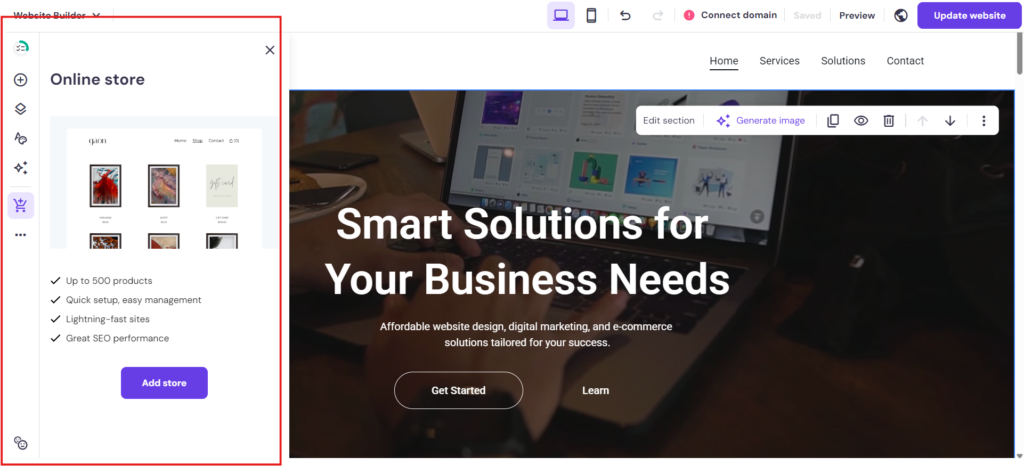
- AI-Driven Website Generation: Similar to SitesGPT, Hostinger’s AI builder allows users to swiftly generate a website by answering a few questions about their website’s purpose, industry, and desired style. The AI then constructs a tailored website framework with relevant layouts, text, and images.
- Drag-and-Drop Editor: Once the AI generates the initial site, users can fully customize it using a user-friendly drag-and-drop editor. This allows for easy modification of all elements without requiring any coding knowledge.
- AI Writer: Hostinger’s AI extends beyond initial site generation by offering an AI writer tool to assist users in creating compelling website content for various sections, including headlines and product descriptions.
- AI Image Generator: Users can utilize the AI image generator to create unique visuals based on text prompts, adding a personalized touch to their website.
- SEO Tools: Hostinger’s platform includes tools and guidance to help users optimize their websites for search engines, improving online visibility.
- Integration with Hostinger’s Ecosystem: Being part of Hostinger’s platform, the AI website builder seamlessly integrates with their hosting services, domain registration, and SSL certificates, providing an all-in-one solution.
- E-commerce Functionality: Hostinger offers e-commerce features within its website builder, allowing users to create online stores and manage products, orders, and payments (available on specific plans).
SitesGPT vs. Hostinger AI Website Builder: A Comparative Overview
While both SitesGPT and the Hostinger AI Website Builder harness artificial intelligence to streamline website creation, they possess distinct characteristics and advantages:
| Feature | SitesGPT | Hostinger AI Website Builder |
| Core Function | Standalone AI-powered website builder with integrated hosting. | Website builder integrated within a comprehensive hosting platform. |
| Initial Site Creation | Very fast website generation based on user input. | Rapid website generation based on user input, emphasizing structure and relevant content. |
| Customization Options | Intuitive drag-and-drop editor with diverse customization possibilities. | Robust drag-and-drop editor with extensive customization capabilities. |
| AI Content Assistance | AI-driven content suggestions and placeholder content. | Dedicated AI Writer tool for generating website copy. |
| AI Image Generation | NIL | Includes an AI Image Generator based on text prompts. |
| Pre-designed Layouts | AI-generated layouts with customization options. | AI-generated layouts plus a library of customizable pre-designed templates. |
| Hosting Services | Integrated cloud-based hosting. | Integrated within Hostinger’s hosting infrastructure. |
| Domain & SSL Certificates | NIL | Typically offered as part of Hostinger’s hosting packages. |
| E-commerce Capabilities | NIL | Offers e-commerce functionality on specific plans. |
| SEO Features | Fundamental SEO features included. | Includes SEO tools and guidance. |
| Free Tier | Offers a free plan for basic use. | May have a free trial or limited free plan depending on Hostinger’s offerings. |
| Platform Integration | Primarily a standalone website builder. | Deeply integrated with Hostinger’s suite of online services. |
Selecting the Ideal AI Website Builder:
The optimal choice between SitesGPT and the Hostinger AI Website Builder hinges on your specific requirements and priorities:
- Opt for SitesGPT if: You prioritize swift website generation and a straightforward, independent platform with a potentially generous free option for basic use. If you need a quick way to establish a basic online presence without immediately requiring bundled hosting, SitesGPT could be a suitable starting point.
- Opt for Hostinger AI Website Builder if: You seek an all-encompassing solution that integrates website building with dependable hosting, domain options, and SSL certificates. The inclusion of an AI Writer and AI Image Generator can be a significant advantage for content creation. If you anticipate needing e-commerce features or prefer the stability and features of a well-established hosting provider, Hostinger’s offering is worth considering.
Getting Started with SitesGPT and Hostinger AI Website Builder:
SitesGPT:
- Sign Up: Visit the SitesGPT website and create a free account.
- Provide Information: Answer a few basic questions about your business, industry, or the type of website you want to create.
- AI Generates Your Site: In seconds, SitesGPT’s AI will generate a customized website based on your input.
- Customize and Publish: Use the intuitive editor to personalize the design and content of your website before publishing it live.
Hostinger AI Website Builder:
- Choose a Hosting Plan: Visit the Hostinger website (https://www.hostinger.com/) and select a hosting plan that includes the AI Website Builder.
- Describe Your Website: Once you have access to the builder, you’ll be prompted to provide information about your website’s purpose and style.
- AI Generates Your Site: Hostinger’s AI will generate a website based on your input.
- Customize and Publish: Use the drag-and-drop editor to personalize the design and content of your website before publishing it through Hostinger’s platform.
Conclusion: The Intelligent Future of Website Building
Both SitesGPT and the Hostinger AI Website Builder exemplify the exciting advancement of website creation, making it more accessible and efficient than ever before. By leveraging the power of artificial intelligence, these platforms empower individuals and businesses to establish a compelling online presence without the need for extensive technical skills or significant time investment. As AI technology continues to evolve, we can anticipate even more sophisticated and user-friendly website building solutions to emerge, further democratizing the process of getting online.
]]>Steering a business in Singapore’s vibrant marketplace means mastering many arts, and ensuring smooth, hassle-free payments is definitely one of them. That little machine on your counter, the payment terminal, is more than just hardware; it’s a crucial touchpoint for your customers and a key component of your operational efficiency. But faced with a bustling arena of providers – agile fintechs like Fiuu and Hitpay, the established national player NETS, specialized services like Diners Club Singapore (DCS), and the familiar banking giants DBS, UOB, and OCBC – how do you choose the right champion for your checkout?
It’s about looking beyond the surface and understanding how different options align with the unique rhythm and needs of your businesses. Let’s explore the critical factors.
Comparative Analysis of Offline Payment Gateway Terminals
To facilitate a clear comparison, the following tables summarize the key aspects of the offline payment gateway terminals offered by Fiuu, DCS, Hitpay, NETS, and the representative banks (DBS, UOB, OCBC).
- Cost and Fees Comparison:
| Feature | Fiuu | DCS | Hitpay | NETS | DBS | UOB (via NETS) | OCBC |
| Terminal Purchase/Rental Fee | Zero Rental Cost | Zero Rental Cost | Purchase (S$ 80-500 depends on models) | Subscription (S$38/month + add-ons) | Purchase (S$302/year for A50) / Rental options | Subscription (S$38/month + add-on S$12/month) | Purchase (cost not specified) |
| Setup Fee | Free | S$ 450-600 | Self Setup | S$60 | S$300 (for some terminals) | Included in subscription | None (for OneCollect) |
| Other Potential Fees | Security Deposit (S$200) may applies | Yearly service fee S$ 360-450, for print roll delivery, servicing | Pay-per-transaction only | Deposit (S$200), Telco (S$10/month), Early Termination (S$30) | Annual fee (S$240 for some), Deposit for some | Deposit (S$200), Telco (S$10/month), Early Termination (S$30) | None (for OneCollect) |
- MDR Rate Comparison (Selected Payment Methods):
| Payment Method | Fiuu | DCS | Hitpay | NETS | DBS | UOB (via NETS) | OCBC |
| NETS/Debit Card | Not specified | Not specified | Not applicable | 0.8% | Not applicable | 0.8% | Not applicable |
| Credit Card (Visa/MC) | 2.40% | Competitive Pricing | 2.5% (Domestic) | 2.99% | 2.50% – 3.00% | 2.99% | 2.50% – 3.00% |
| QR Code (e.g., PayNow) | 0.50% | Supported | 0.65% (Min S$0.1) | Supported | 0.50% | Supported | 0.50% |
| E-Wallet (e.g., GrabPay,Alipay, Wechat) | 1.30% – 2.00% | Supported | 2.2% | Supported | Supported | Supported | Supported |
- Virtual Terminal Feature Comparison:
| Feature | Fiuu | DCS | Hitpay | NETS | DBS | UOB (via NETS) | OCBC |
| Availability | Mobile App (Virutal Terminal), Online Merchant Portal, Payment Links, Invoicing | Online Merchant Portal (Reconciliation) | Online Merchant Portal, Payment Links, Invoicing | SimplyNETS Lite (QR), NETS Click (In-App), eNETS Debit (Online), NETS QR Online | Hosted Payment Page, URL Payment Link, Online MOTO, DBS MAX Portal, Virtual Account | NETS Click (In-App), eNETS Debit (Online), Temporary Terminal Request | OCBC OneCollect (QR), Virtual Purchasing Card, Virtual Payment Terminal (Online MOTO) |
| Supported Payment Methods | Credit Card, E-Wallet, PayNow, Crypto, Tap-On-Phone, Online Banking, Payment Link/Bills | Credit Card, E-Wallet, PayNow, Crypto | Major Credit/Debit Cards, E-Wallets, PayNow, etc. | NETS Bank Card, NETS-enabled Credit Card, Internet Banking, Local Bank Apps | Installment Plans, PayLah!, Cards, URL Payment Link, Multi-currency, Contactless, Mobile, Online MOTO | Tokenized NETS Bank Card, Internet Banking | PayNow, Alipay+, WeChat Pay, UnionPay, ShopeePay, DuitNow QR, Cards (via MOTO) |
| Key Features | Customizable Links, On-the-go, Security, Scalability, Instant Alerts, Tap-On-Phone | Reconciliation, Cardholder Account Management (D-Vault) | Customizable Links, Recurring Payments, Branded Checkout, Invoicing | QR Payments, In-App Payments, Online Payments | Reconciliation, Refunds, Multi-currency, Recurring Payments, Card on File, Installment Plans | In-App Payments, Online Payments | QR Payment Collection, Real-time Notifications, Reporting, Multi-channel Sharing, Recurring, Invoicing |
- Physical Terminal Feature Comparison:
| Feature | Fiuu | DCS | Hitpay | NETS | DBS | UOB (via NETS) | OCBC |
| Terminal Type | Portable | EDC Terminal | Integrated POS Terminal, POS Max | Wired, Wireless, Unified POS | A50 POS, All-in-One Retail Terminal | NETS POS Terminal, Unified POS Terminal | Card Terminal |
| Supported Payment Methods | Cards, E-Wallets, Buy Now Pay Later, Paywave, Swipe Card, Insert Card, scan Alipay/wechat QR | Major Credit/Debit Cards, E-Wallets, QR Codes, Paywave | Cards (Credit/Debit, Contactless), QR, Digital Wallets | NETS Debit/ATM, NETS FlashPay, NETS Prepaid, NETS QR; Unified: + Int’l Cards, Overseas Wallets | QR PayNow, Credit Cards, Contactless, Mobile Payments | NETS Debit/ATM, FlashPay, Prepaid, QR; Unified: + Int’l Cards, Overseas Wallets | VISA, MasterCard, UnionPay, JCB, Alipay+ QR, WeChat Pay QR, PayNow QR, EZ-link, Contactless, Mobile Payments |
| Connectivity Options | Multi-Network SIM Card, Wi-Fi | Not specified | Wi-Fi, 4G, Bluetooth | Wired (Phone/LAN), Wireless (Mobile Data/Wi-Fi) | Wired, Wi-Fi | Wired, Wireless (Mobile Data) | Wired, Wi-Fi |
| Reporting Capabilities | Online Merchant Portal / | Online Merchant Portal | Transaction History & Reporting | NETS Merchant Portal | DBS MAX Portal (via IDEAL) | NETS Merchant Portal | OCBC OneCollect App |
| Unique Features | Offline Processing, Additional Revenue Stream (Reloads, Bill Payments) | Zero Terminal Rental Cost | Integrated POS Features (Inventory, Sales Tracking), POS Max (All-in-One Device) | Wide User Base (NETS), Accepts Foreign Cards/Wallets | Installment Payment Plans, Dynamic Currency Conversion | Access to NETS User Base, Accepts Foreign Cards/Wallets (Unified) | Preferential Pricing for OCBC Cardholders, Interest-Free Installment Plans |
Unpacking the Costs: More Than Just a Monthly Fee
Naturally, budget is a major consideration, but the true cost involves several layers. The physical terminal itself comes with varying price structures. DCS makes a bold statement by offering zero rental cost for its terminals, a potentially significant saving for businesses watching their overheads closely. On the other hand, NETS operates primarily on a monthly subscription model, typically around S$38, though promotions like UOB’s BizSmart offer might provide initial free months. Banks often present a mix; DBS, for instance, offers its MAX A50 terminal with an annual fee (sometimes discounted for new sign-ups) and also provides rental options for more comprehensive terminals, albeit with potential setup fees. Fintechs like Hitpay and Fiuu provide payment gateway terminals at zero cost or a one-time purchase cost. Don’t forget potential extras like refundable security deposits, particularly for wireless terminals from providers like NETS and Fiuu, or possible one-time installation and ongoing telco fees for connectivity.
Fiuu does offer a mobile app called Fiuu Virutal Terminal which can be installed on mobile phone with NFC feature to accept payment for credit card, PayNow, and all kinds of e-wallets such as grabpay, shopeePay, wechat pay, Alipay, etc.
Beyond the hardware, the Merchant Discount Rate (MDR) – that small percentage fee skimmed off each transaction – significantly impacts your bottom line. These rates fluctuate based on the payment method. For the ubiquitous PayNow QR code payments popular in Singapore, OCBC OneCollect and the DBS MAX App offer notably low MDRs, around 0.50%, with OCBC even waiving this for the first few months for SMEs. Hitpay also presents a very competitive 0.65% for PayNow transactions. If your customer base heavily relies on NETS debit cards linked to local bank accounts, using a NETS terminal (directly or via UOB) provides an attractive 0.8% MDR.
Credit card transactions typically incur higher rates, often ranging from 2.5% to 3.0% or more. Hitpay clearly lists its domestic card rate at 2.5% (slightly lower for F&B) and international at 3.2%. DBS quotes rates between 2.50% and 3.00%, sometimes varying for retail versus service businesses, and offers specific rates for installment plans. The NETS Unified POS terminal, designed to accept credit cards alongside NETS, carries a rate closer to 2.99%. Fiuu’s Malaysian online rates suggest a similar range, but Singapore-specific offline rates require direct confirmation. DCS promotes “Competitive Pricing” but doesn’t publicly list its MDRs. Understanding the mix of payment types your customers prefer is vital to accurately forecasting these transaction costs.
Getting Up and Running: The Application Journey
Once you’ve weighed the costs, consider the onboarding process. Fintech providers like Hitpay and Fiuu often emphasize streamlined digital applications, promising quick setup times, sometimes allowing merchants to start accepting payments rapidly. This speed can be a significant advantage for businesses eager to get operational. Traditional banks, including DBS, UOB, and OCBC, typically require you to hold a business account with them as a prerequisite for merchant services. While this might involve an extra step for new customers, it can simplify integration for existing clients, with platforms like DBS IDEAL offering instant sign-up for certain services. NETS provides an online application route but necessitates submitting specific business documents (like ACRA details and bank statements, preferably from DBS, OCBC, or UOB) and arranging for terminal collection from their office. Applying for DCS services generally starts with a phone call or filling out an online interest form.
Functionality Focus: Matching Features to Your Workflow
What capabilities do you truly need from your payment system? The rise of virtual solutions offers flexibility beyond the physical counter. Many providers now enable remote payments. Hitpay offers versatile Payment Links that can be easily shared online or via messages, allowing customization and recurring payment options. DBS provides similar URL payment links alongside hosted payment pages and Mail Order/Telephone Order (MOTO) processing capabilities. Fiuu’s VT mobile application aims to transform a smartphone into a comprehensive payment terminal supporting various methods. OCBC’s OneCollect app focuses on streamlining QR payment collection from multiple sources directly to a mobile device. NETS also offers virtual options like NETS Click for in-app payments and eNETS Debit for online bank transfers.
For in-person transactions, the physical terminals themselves vary. Basic models might focus primarily on NETS and card payments, while more advanced units, like the NETS Unified POS or bank terminals from DBS and OCBC, readily accept a wider array of international cards, contactless payments (like Visa payWave and Mastercard PayPass), mobile wallets (including Apple Pay, Samsung Pay, Google Pay), and QR codes. Some terminals integrate broader Point of Sale (POS) functionalities; Hitpay’s terminals, for example, can include inventory management and sales tracking, with their POS Max device combining multiple hardware functions. Fiuu highlights its terminals’ ability to process offline payments if connectivity drops and even offer value-added services like mobile reloads, potentially creating an additional revenue stream. Banks like DBS and OCBC often facilitate interest-free installment plans directly through their terminals for their own credit cardholders. Connectivity options range from wired LAN connections to wireless setups using Wi-Fi or mobile data via SIM cards, with Fiuu mentioning multi-network SIMs for enhanced reliability. Reliable reporting is also key, with most providers offering online portals (like DBS MAX Portal, NETS Merchant Portal, DCS Online Merchant Portal) or app-based reporting (OCBC OneCollect) for transaction tracking and reconciliation.
Aligning with Your Audience and Operations
The “best” terminal ultimately depends on who your customers are and how you operate. If your business primarily serves the local Singaporean market using debit cards for everyday purchases, NETS offers unmatched reach and familiarity, with its low debit MDR being a significant plus. Businesses catering to tourists or a clientele favouring credit cards will need terminals capable of handling international schemes like Visa, MasterCard, AMEX, and JCB – capabilities offered by bank terminals, the NETS Unified POS, and fintechs like Hitpay and Fiuu. DCS remains a specific choice, potentially valuable in sectors like travel or high-end dining where Diners Club cards have a stronger presence, especially appealing due to its lack of rental fees. Consider also any operational restrictions: banks and Fiuu prohibit minimum spends or surcharges on credit card payments, NETS requires using their supplied SIM cards for wireless terminals, and UOB has specific industry prohibitions.
The Final Decision: A Tailored Choice
Choosing an offline payment terminal in Singapore isn’t a one-size-fits-all decision. It requires a careful assessment of your specific circumstances. For SMEs prioritizing simplicity, transparent costs, and perhaps integrated POS features, Fiuu & Hitpay present a compelling package with its clear pay-per-transaction model. Businesses with high NETS debit volume will likely find NETS terminals (directly or via UOB) highly efficient. If the convenience of integrated banking and payment services appeals, and perhaps features like installment plans are beneficial, exploring the offerings from your existing bank (DBS, UOB, or OCBC) is worthwhile. For those laser-focused on minimizing hardware costs, DCS’s zero-rental model is unique, assuming its card acceptance profile fits. And for businesses seeking feature-rich terminals with potential add-on services and strong virtual capabilities, Fiuu is a considerable contender.
Evaluate your typical transaction volumes, the payment methods your customers prefer, your budget for both hardware and ongoing fees, and your need for specific features like virtual terminals or POS integration. By understanding the nuances of each provider’s offering, as detailed in comparative analyses, you can select a payment partner that not only processes transactions reliably but truly supports your business’s growth and success in Singapore’s dynamic landscape. Sources and related content
]]>What’s This All About?
If you’re running a business in Singapore, you’ve probably noticed how quickly we’re moving toward a cashless society. E-commerce is booming, and customers expect smooth, hassle-free payment options when shopping online. But with so many payment gateways to choose from, how do you know which one is right for your business?
I’ve taken a deep dive into five popular payment gateways available in Singapore—Fiuu Pay, Hitpay, Airwallex, Stripe, and PayPal—to help you make an informed decision. Let’s break down what each has to offer.
The Quick Rundown
Before we dive into the details, here’s a snapshot of each gateway:
- Fiuu Pay (formerly Razer Merchant Services): Strong in Southeast Asia with tons of local payment methods
- Hitpay: Clear pricing and super user-friendly, especially for small businesses
- Airwallex: Excellent for handling multiple currencies and global transactions
- Stripe: Developer-friendly with powerful customization options
- PayPal: Globally recognized brand with a massive user base
Let’s Talk About Fiuu Pay
What’s the deal with Fiuu Pay?
Fiuu Pay (previously known as Razer Merchant Services) is a payment gateway focused on Southeast Asia. If you’re targeting customers in Malaysia, Singapore, Indonesia, Philippines, Vietnam, and Thailand, this one’s worth considering. They rebranded from Razer Merchant Services in March 2024, now operating as an independent subsidiary of Razer Inc.
The costs
Fiuu Pay offers tiered pricing with Lite and Premium packages. The Premium package includes credit/debit card processing at 2.4%, for common merchants, the local card processing fee is 2.8%, without the usual 0.5 SGD fixed transaction fee, e-wallet processing at rates between 1.5% and 1.7%, also without the 0.50 SGD fixed transaction fee, and various Buy Now Pay Later options. If you are building a website and want to integrate Fiuu Pay, you may consider Vue Tech SG.
What currencies can I use?
They support several currencies including SGD, PHP, IDR, VND, THB, AUD, DKK, CHF, USD, and MYR—giving you good coverage for Southeast Asian markets.
What payment methods do they accept?
This is where Fiuu Pay really shines. They support over 110 payment methods across Southeast Asia, including:
- Cards: Mastercard, VISA, Diners Club, JCB, UnionPay
- Digital wallets: Apple Pay, Samsung Pay, Google Pay, Huawei Pay
- Internet banking: PayNow, DBS, OCBC, UOB, and other major banks
- E-wallets: GrabPay, Shopee Pay, Alipay, WeChat Pay
- Even cryptocurrencies like Bitcoin and Ethereum
How easy is it to set up?
Fiuu Pay offers plugins for platforms like Shopify, Woocommerce, and SiteGiant. API documentation for custom integrations, and a “Mobile XDK” for mobile applications. They also provide a Telegram developer forum for support.
Is it secure?
Yes—they’re PCI DSS Service Provider Level 1 compliant and have ISO 27001:2022 certification. They use tokenization to replace sensitive card details and claim to have one of the lowest dispute transaction ratios in the industry.
What about support?
Technical support is available via email at [email protected], and they offer dedicated account managers for business clients.
How do I get my money?
Clients can select daily or weekly settlement, the settlement fee can be waived under certain conditions.
Looking at Hitpay
What’s Hitpay all about?
Hitpay focuses on providing all-in-one payment solutions for small and medium-sized businesses in Singapore and the APAC region. Their website is hitpayapp.com/sg/.
The costs
Hitpay uses a transparent pay-per-transaction model with no subscription or hidden fees. For online payments, rates range from 0.65% + S$0.30 for PayNow (for transactions ≥ S$100) to 5.5% for various Buy Now Pay Later options, the local card payment fee is 2.8% + 0.50 SGD. The in-person payments are generally cheaper, with rates like 2.5% for domestic cards and 0.4% for PayNow. They also offer custom pricing for high-volume businesses.
What currencies can I use?
Hitpay supports more than 150 currencies, including SGD, IDR, MYR, VND, PHP, THB, INR, CNY, and AUD.
What payment methods do they accept?
They support over 50 payment methods, including:
- Cards: Visa, Mastercard, American Express
- Digital wallets: PayNow, GrabPay, ShopeePay, Apple Pay, Google Pay
- Buy Now, Pay Later: PayLater by Grab, SPayLater, ShopBack PayLater, Atome
- Others: UnionPay, WeChat Pay, Alipay, and UPI (for Indian consumers)
How easy is it to set up?
Hitpay offers plugins for Shopify, WooCommerce, and Magento, as well as robust APIs. For businesses without a website, they provide payment links and recurring billing options. Many integration options require no coding knowledge, making it accessible for SMEs.
Is it secure?
Hitpay is PCI DSS compliant and uses advanced encryption, 2-Factor Authentication, and Transport Layer Security. They’ve partnered with Stripe for enhanced fraud detection and use tokenization to protect sensitive data.
What about support?
Support is available via email and WhatsApp, and they provide self-serve guides. User reviews generally praise their user-friendly interface and strong customer support.
How do I get my money?
Hitpay offers next-day payouts directly to business bank accounts and supports various local payment networks, including FAST in Singapore. For SGD payouts, they provide free local transfer options.
Airwallex in Focus
What’s the story with Airwallex?
Airwallex has its global headquarters in Singapore and is licensed by the Monetary Authority of Singapore as a Major Payment Institution. They’ve seen significant growth, with a 153% year-on-year revenue increase for FY2024. Their website is airwallex.com/sg/.
The costs
For domestic cards and wallets (Visa, Mastercard, AmEx, Apple Pay, Google Pay), Airwallex charges 3.30% + 0.50 SGD per transaction, with an additional 0.3% for international cards. Local payment methods cost 0.50 SGD plus a variable Payment Method Fee. Subscription management incurs a 0.40% fee per successful card transaction. They offer zero setup, maintenance, or hidden fees.
What currencies can I use?
Airwallex is a standout for currency support. Their Global Accounts feature allows businesses to receive funds in over 20 currencies, including USD, EUR, GBP, AUD, and many Asian currencies. They also offer a multi-currency wallet supporting over 23 currencies and facilitate global transfers to over 150 countries.
What payment methods do they accept?
They support major card networks (Visa, Mastercard, AmEx, UnionPay), digital wallets (Apple Pay, Google Pay), and over 160 local payment methods including WeChat Pay and GrabPay.
How easy is it to set up?
Airwallex offers both no-code solutions (Checkout, Payment Links) and plugins for Shopify, WooCommerce, and Magento. For more complex needs, they provide powerful APIs for custom solutions. This range accommodates businesses with varying technical expertise.
Is it secure?
Airwallex is compliant with PCI DSS, SOC1, and SOC2 requirements. They implement 24/7 monitored security controls, fraud prevention features, and advanced liveness checks during onboarding.
What about support?
They offer a comprehensive help center with a blog and detailed FAQ section. While they don’t currently have live chat support, they provide dedicated account managers for business clients and technical support staff.
How do I get my money?
Airwallex facilitates fast global transfers and offers free local transfers within their network. A key advantage is their like-for-like settlement in multiple currencies, allowing businesses to receive payouts without currency conversion fees.
The Scoop on Stripe
What’s Stripe all about?
Stripe is a globally recognized payment gateway supporting millions of companies worldwide. Their Singapore-specific website is stripe.com/en-sg/.
The costs
For domestic cards, Stripe charges 3.4% + S$0.50 per transaction, with an additional 0.5% for international cards. Digital wallet fees vary: standard card rates for Apple Pay and Google Pay, 3.3% for GrabPay, and 2.2% + S$0.35 for WeChat Pay and Alipay. PayNow transactions cost 1.3%. Additional fees apply for services like Instant Payouts (1%), Disputes (S$15.00), and Stripe Tax (0.5%).
What currencies can I use?
Stripe supports payments in over 135 currencies and facilitates cross-border selling to over 195 countries. They offer multi-currency settlement and adaptive pricing to help manage international transactions.
What payment methods do they accept?
Stripe accepts major card networks (Visa, Mastercard, AmEx, UnionPay, JCB), digital wallets (Apple Pay, Google Pay, Alipay, WeChat Pay, GrabPay), and local bank transfers via PayNow. In total, they support over 100 payment methods globally through a single integration.
How easy is it to set up?
Stripe offers Payment Links (no-code), Checkout (prebuilt payment form), and Elements (UI components). Their powerful APIs allow for highly customized payment flows, and they provide plugins for popular e-commerce platforms like Shopify and WooCommerce. Their extensive documentation and testing tools make integration easier for developers.
Is it secure?
Stripe is PCI DSS compliant and employs comprehensive security measures, including data encryption. Their fraud prevention system, Radar, uses machine learning to decrease fraud and improve authorization rates.
What about support?
Stripe offers support channels for sales inquiries, general help, and resources for media and press. They provide extensive documentation and a developer dashboard for technical users. Enterprise clients receive priority support. Reviews suggest mixed experiences with direct customer service, but their documentation is generally well-regarded.
How do I get my money?
Stripe offers unified payout options for online and in-person payments. Businesses can choose standard payout schedules or opt for Instant Payouts (for a fee). The Stripe Dashboard provides a comprehensive interface for managing payments and tracking payout status.
The PayPal Picture
What’s PayPal all about?
PayPal is a globally recognized brand with a substantial user base. They offer distinct account options for personal, small business, and enterprise users. Their Singapore website is paypal.com/sg/.
The costs
PayPal’s fee structure is complex and tiered based on monthly transaction volume. It includes fees for domestic and international transactions, fixed fees based on currency (S$0.50 for SGD), and additional charges for services like Online Card Payment Services, Payouts, Chargebacks, Disputes, Currency Conversions, and Withdrawals.
What currencies can I use?
PayPal supports a wide range of currencies for global transactions and offers multi-currency accounts for managing funds in different currencies.
What payment methods do they accept?
PayPal allows customers to pay using their PayPal accounts, linked bank accounts, or credit cards. They support major cards like Visa, Mastercard, Discover, and AmEx, as well as digital wallets such as GrabPay, Alipay, Apple Pay Web, and WeChat Pay.
How easy is it to set up?
PayPal offers various integration options, including PayPal Complete Payments (for online checkout and invoicing), PayPal.Me (for personalized payment links), and more traditional options like Website Payments Standard and Pro. PayPal Checkout provides a streamlined payment experience for online customers.
Is it secure?
PayPal offers 24/7 fraud monitoring, seller and buyer protection policies, data encryption, and adheres to PCI compliance standards.
What about support?
PayPal provides a Help & FAQ section and various contact options. User reviews suggest reaching a live agent can sometimes be challenging, and experiences with fraud handling and account holds can vary.
How do I get my money?
Businesses can receive payments via PayPal.Me links and withdraw funds to bank accounts (free for SGD withdrawals above S$200, S$1.00 fee for amounts below S$200), to US bank accounts (3.00% fee), or to cards (1% fee, min S$0.50, max S$15.00). Currency conversions during withdrawals incur additional fees.
So, Which One’s Right for You?
Below is a comparison table:
| Feature | Fiuu Pay (formerly RMS) | Hitpay | Airwallex | Stripe | PayPal |
| Signup URL (SG) | fiuu.com | hitpayapp.com/sg/ | airwallex.com/sg/ | stripe.com/en-sg/ | paypal.com/sg/ |
| Transaction Fees (Key highlights for SG) | Tiered (Lite & Premium), % of turnover, by default is 2.8% without a fixed 0.5 fee | Pay-per-transaction, varies by method (e.g., 2.8% + S$0.50 for domestic cards) | 2.8% + 0.50 SGD for domestic cards, variable for local methods | Varies by method (e.g., 3.4% + S$0.50 for domestic cards), additional fees | Tiered (Lite & Premium), % of turnover, by default us 2.8% without a fixed 0.5 fee |
| Supported Currencies (Key highlights) | SGD, PHP, IDR, VND, THB, AUD, DKK, CHF, USD, MYR, SEA focus | 150+ currencies, strong APAC support | 20+ receive, 23+ wallet, 150+ transfer | 135+ currencies, global reach | Numerous, inferred from fee tables, multi-currency accounts available |
| Accepted Payment Methods (Key highlights for SG) | Cards, Internet Banking (PayNow), E-wallets (GrabPay, ShopeePay), BNPL, Crypto | Cards, PayNow, GrabPay, ShopeePay, Apple/Google Pay, BNPL, QR, UPI | Cards, Apple/Google Pay, 160+ local methods (WeChat Pay, GrabPay) | Cards, Apple/Google Pay, GrabPay, WeChat/Alipay, PayNow, others | PayPal, Cards, APMs, Digital Wallets (GrabPay, Alipay), Bank Transfers |
| Integration Options (Key highlights) | Seamless, Plugins (Shopify, woocommerce, and SiteGiant), APIs, Mobile XDK | Plugins (Shopify, WooCommerce, Magento), APIs, Payment Links, Recurring Billing | Checkout, Plugins, Payment Links, APIs, No-code/Low-code options | Payment Links, Checkout, Elements, Powerful APIs, Extensive documentation | PayPal Checkout, PayPal.Me, APIs, Website Payments Standard/Pro |
| Security Measures (Key highlights) | PCI DSS Level 1, ISO 27001:2022, Tokenization, Low dispute ratio | PCI DSS compliant, Advanced encryption, 2FA, TLS, Tokenization, Fraud detection by Stripe | PCI DSS, SOC1, SOC2, 24/7 monitoring, Fraud prevention, Liveness checks | PCI DSS compliant, Data security & encryption, Regulatory licenses, Radar fraud prevention | Secure platform, 24/7 fraud monitoring, Buyer/Seller protection, Data encryption, PCI compliant |
| Customer Support (Key highlights) | Email, Dedicated account managers, contact Singapore distributor +65 8733 7266 for tiered pricing | Email, WhatsApp, Self-serve guides, Generally praised support | Help center, Dedicated account manager, Technical support | Comprehensive documentation, Developer support, Mixed user reviews | Help & FAQ, Contact options, Mixed user reviews |
| Payout Options (Key highlights) | daily/weekly settlement, can contact Singapore distributor +65 8733 7266 for tiered pricing | Direct bank transfer, Payout APIs (FAST), Next-day, Free local SGD transfer | Fast, cheaper global transfers, Free local, Like-for-like multi-currency settlement | Unified online/in-person, Instant (fee), USD (fee), Unified dashboard | PayPal.Me, Bank account (fees may apply), Cards (fees apply), US Bank account (fee) |
The best payment gateway depends on your specific business needs:
- For startups and SMEs: Fiuu and Hitpay stands out with its user-friendly interface, transparent and lower pricing, and no-coding integration options.
- For high-volume businesses: Fiuu, Stripe or Airwallex offer custom pricing that could save you money as you scale.
- For Southeast Asian focus: Fiuu Pay or Hitpay excel with their strong regional payment method support.
- For global reach: Airwallex and Stripe offer excellent multi-currency support and international capabilities.
- For brand recognition: Fiuu, Stripe, and PayPal’s established reputation and large user base can boost customer confidence.
- For developer-friendly tools: Stripe leads the pack with its comprehensive APIs and customization options.
Remember, the right choice involves looking at security, ease of integration with your systems, customer support quality, and which payment methods your customers prefer to use.
Consider piloting different gateways to find the perfect fit for your unique business needs. The digital payment landscape in Singapore continues to evolve with digital wallets, cross-border solutions, embedded finance, and real-time payment capabilities shaping the future.
]]>The usual outcome would normally end with deciding on the up-most important choice, Shopify or Shopify Plus.
Although both platforms are well known to have sturdy foundation, Shopify Plus more well known to be a platform specifically designed to maintain high volume and high growth from enterprises or businesses of all sizes.
The moment when you decide to use the wrong platform fo your business, the consequences of your actions will be costly and perhaps even lead to the downfall of the business.
In this article, we will be taking a comprehensive look of the analysis between the differences of Shopify and Shopify Plus.
While taking into account of vital factors such as pricing, features that exist, workability of the two and finally, discussing the target audiences of the two, whether it be a business or a enterprise.
Shopify:

Shopify is a well-known leading E-Commerce platform that helps businesses of all sizes to easily create and manage various online stores.
Shopify offers user-friendly interfaces with a extensive range of features and a wide variety of apps and all sorts of integrations.
Shopify is easily accessible and has a comprehensive functionality, making it a well favored choice for businesses alike, especially for those businesses who are seeking to expand their online presence.
By the end of this article, you will have a proper educated understanding of which platform best fits your business’s goals and will allow you to topple the rest of the competition.
Shopify Plus:

Shopify Plus is well known to be used by enterprise-level businesses, this version of Shopify has been specifically designed to cater businesses and brands unique requirements of various industries.
Offering a wide variety of features and capabilities, making it a perfect choice for businesses with thriving sales, intricate operations and having a powerful demand for more control and flexibility.
This provides a versatile and customizable platform that will be able to handle the difficult demands of quickly expanding businesses, all while also offering a dedicated support with a broad range of premium features that are normally not seen on the standard Shopify subscription.
Differences of Shopify VS Shopify Plus
Features | Shopify | Shopify Plus |
|---|---|---|
| Price | A fixed subscription monthly fee. Ranging from 29SGD to 399SGD | Subscription based, 1-Year Term to 3-Year Term. Ranging from 2300USD to 2500USD |
Audience |
|
|
| Versatility | Can be used by almost all businesses to an extent. | Designed to mostly enhance big businesses and help manage some growth. |
Customizability |
|
|
Support Services |
|
|
Platform Functionalities |
|
|
Shopify VS Shopify Plus: Vital Features & Why are they crucial
Whenever you are deciding which is the right E-commerce platform that best suits you, there is a critical choice needed to be made in any business or enterprise.
In this section, we will dive into the most crucial features when you are deciding to choose between Shopify and Shopify Plus.
We’ll be taking a comprehensive look into important factors such as the price, the target audience, how customizable they are and finally what kind of support services are provided in both Shopify and Shopify Plus.
These factors could directly affect your abilities to either achieve your business goals, enhancing your operations or even affecting your success in the competitive E-commerce market.
Price:
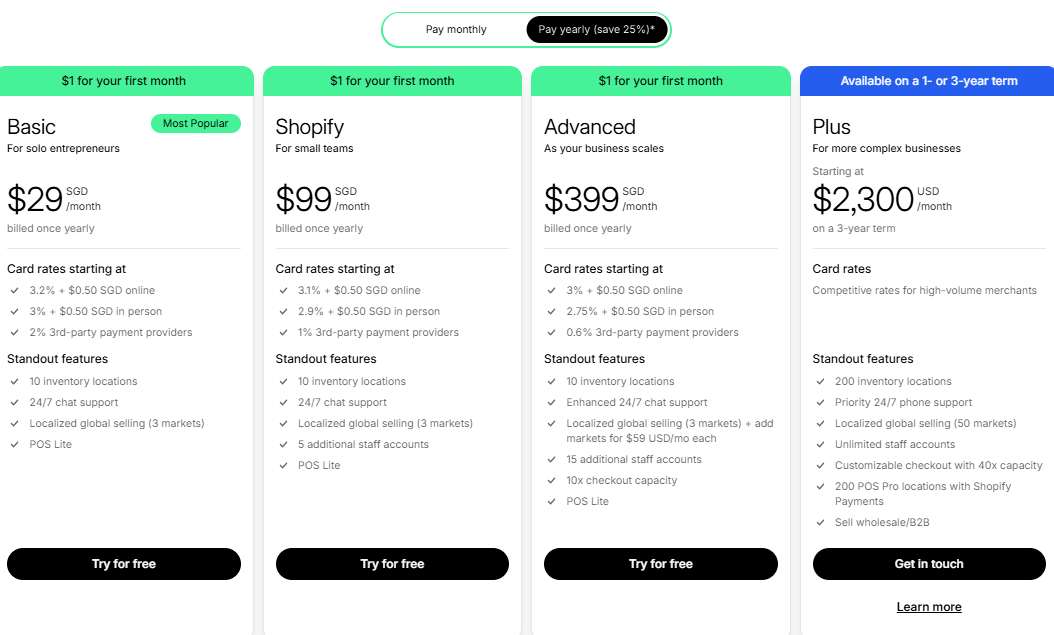
When you are consider to start with anything, especially with Shopify and Shopify Plus, Price is one of the first things that come into mind.
Shopify would offer similarly tiered pricing plans with slightly more features at higher prices, making it a good choice for businesses that have flexible budgets.
Shopify Plus on the other hand, uses a subscription-based model which are priced according to your business’s or enterprise’s MRR or Monthly Recurring Revenue.
This approach could be a more cost-effective plan for rapidly growing businesses with the cost sales also increasing with your business’s or enterprise’s revenue.
So in this section of the article, we will be diving into the pricing models of both Shopify and Shopify Plus.
We will be taking at peek at Shopify’s tiered pricing plans as well as Shopify Plus’s subscription-based models and will be analyzing how their pricing could impact your expenses and profitability.
Shopify:
Shopify offers a variety of plans at scaling prices, all of them are designed to cater small to medium sized businesses. Each of these plans can provide a variety of features, such as customization and support, this can impact a business in the way it operates or scales.
- Basic: The perfect plan for solo entrepreneurs, this plan would provide basic essential E-commerce features such as website building tools, product listing, simple reports and are given access to simple app integrations. It maintains a low operational cost which would limit advanced customization and automation, however this is a great option for Solo Entrepreneurs or extremely small businesses.
- Standard: This plan is meant for businesses in the midst of growth, this plan will be offering more advanced tools and features, including professional reports, 5 additional staff accounts and have lower transaction fee. It can directly support a business expansion as it can provide valuable insights and the operational efficiency of the business.
- Advanced: This plan has been tailor-made for large businesses or enterprises, this plan will include the following features: Advanced Reports, Custom pricing for markets and Lower Credit Card fee. With this, enhanced analytics and a better customization, these two will definitely support in the international growth and the data-driven decisions in the business or enterprise.
Shopify Plus:
Shopify Plus offers a fairly high initial pricing model with much customizable options, all catered to develop businesses for rapid growth, enterprise-level businesses.
Unlike the standard Shopify plans with their fixed prices, Shopify plus will always start with at least $2300 a month which then can be scaled based on the business’s sale volume, customization requirements and how complex the operations are.
For businesses that generate exceptionally high revenue, the prices may change to be a revenue-based model, this are typically around the 0.25% of the business’s monthly sales that surpasses the threshold.
Due to Shopify Plus’s custom price model, we will take a look at how their price could potentially affect businesses:
Initially High Investment:
The initial starting cost are definitely much more than the standard, fixed Shopify plan prices, this can be a substantial price to pay for some businesses.
Despite this, the investment can be used to gain access to an enterprise-level features that can significantly aid the overall growth and operational efficiency.
Some of these features would be:
Less Transaction & Payment fees
- The transaction fee are reduced more compared to the other plains found on any of the lower tiered plans, this especially to payments done through Shopify Payments.
- This will definitely save costs and provide a positive impact to the business’s profit margin, especially for the high-volume sales.
Next-Level Customization & Automation
- Shopify Plus will contain features such as customized checkout experiences, Shopify Flow, which is the automation, and a Script Editor, these will help businesses create a more smooth operation and enhance the overall customer engagement.
- These features and tools will dramatically improve the overall conversion rates, retention of customers and the overall operational efficiency, this justifies the higher cost between Shopify and Shopify Plus.
Versatility & Global Expansion
- Shopify Plus aids businesses to create multi-store managements, global selling and local customer experience.
- Businesses now can seamlessly expand themselves into new markets without needing to worry about needing to invest into separate systems, this will accelerate the overall international business’s growth.
Devoted Support & Quicker Problem Resolution
- Shopify Plus provides priority support and devoted Launch Engineer, businesses and enterprise-level businesses can both receive valuable insights from experts and gain guidance during both setup and the scaling.
- This will reduce the downtime while enhancing the issue resolution and will lessen the overall risk of having costly disruptions of operational functions.
Customizable Prices
- Shopify Plus has versatile pricing model which will ensure business’s overall growth in line with their revenue.
- Despite the ever-growing brands, the overall value of these state-of-the-art tools and framework both will overcome the overall cost.
The Impact on the Business:
Despite Shopify Plus’s high considerable investment, Shopify Plus will be able to greatly aid businesses with high volume sales or have aspiring growth goals.
By harnessing these advanced features, you can easily manipulate the market by using its automation tools, dedicated support, sales increase, upgraded efficiency and ascend rapidly.
This acquisition will bring in strong returns by minimizing the operational congestions while also releasing new sale channels and overall, enhancing the business’s growth.
Target Audience:
When deciding whether or not to use Shopify or Shopify Plus, you also need to know who could benefit the most from either platforms.
The reason behind this is because if you choose the wrong platform, you may not be able to use everything within the platform at its best and most of its features may not even benefit your business in the slightest.
In addition to that, by choosing the wrong platform, it may cost you heavily and prevent you from achieving your business’s goals.
So we will take a look at what kind of businesses and what kind of individuals could benefit the most from Shopify and Shopify Plus.
Shopify:
Shopify has been specifically created to cater enthusiasts and businesses who are looking for user-friendly interface and easily obtainable platform in order to build and overall growth of their online stores.
This would suit a wide variety of users and consumers, ranging from new entrepreneurs or learners who have limited technical expertise and all the way to established businesses who are seeking to expand on their operations.
Shopify provides important E-commerce tools such as its versatile options and slick integrations which aids users to easily evolve their business quickly without needing to have extensive technical knowledge.
- Small to Medium Businesses:
From startups to small or medium sized established businesses who are seeking to widen their presence online. - New Entrepreneurs:
New to the market, these individuals have limited knowledge into the technical expertise who are desperately looking for a way to create a user-friendly platform to build and structure their online stores on. - Businesses looking for easier usage:
Businesses or companies seeking to prioritize the simplicity of their online stores and design it in a way that it would have user-friendly interfaces. - Limited Budgets:
Shopify offers low priced and affordable fixed plans, this allows for more businesses with limited financial sources to create and utilize Shopify’s features. - Businesses working with various industries:
From retail to fashion to even food and beverages, Shopify will suit business across different industries.
Shopify Plus:
Shopify Plus is the perfect platform for large businesses or enterprises who are seeking for an advanced E-commerce platform with excellent capabilities, robust versatility and substantial customization.
This will give enterprises the ability to prioritize their business’s own growth, efficiency and the overall personalization of the brand by allowing them to comprehend their high volume sales, automated processes and provide excellent experiences for customers across various channels.
- High Sale Volume Businesses:
For businesses or enterprises with large amounts of sale volumes and have constantly high traffic peaks, these two will require a strong infrastructure and versatility in order to handle their demands accordingly. - Enterprise Businesses:
From Large to Massive organizations who are actively looking to take advantage of state-of-the-art features, global presence and have tailor-made integrations to streamline their E-commerce workflow. - Flourishing Brands:
Swiftly expanding to the direct-to-consumer or directly to omnichannel brands who are in need of automation and overall efficiency in operation to maintain its growth. - Multi-Regional & Global Sellers:
For Companies or Enterprises swelling internationally, needing multi-store management systems, local prices and have multi-language support in order to pierce the markets. - Business-to-Business & Wholesale Businesses:
Enterprises who are keen to selling to other businesses, by taking the advantage of custom prices, dedicated portals and great discounts to cater wholesale requirements. - Esteemed/Redefined Businesses:
Organizations seeking to transition from old platforms to new platforms, looking out for a versatile and extremely reliable source of solution with the ease of the migration and state-of-the-art capabilities. - Marketing Leaders:
Businesses or Enterprises who offers exquisite, subscription-based or even homemade products that would depend on select experiences or custom solutions in order to differentiate themselves.
Customizability:
When it comes to customizability, it is important to take advantage of the features given to you when you pay to use the platforms.
Doing this will allow your business to use everything included in each platform to is fullest.
We will be taking a look at what some of these features are and what they could do to benefit your brand or business.
Shopify:
- Custom Themes:
Be able to decide from a large range of free themes to premium themes, customize their designs and feel free to match your brand. - Customizable Theme Code:
Take advantage of Shopify Liquid’s specialized language to create state-of-the-art revamps to your own theme’s look, design and overall functionality.- Shopify Liquid: An established language which grants the ability for more control over the design and functionality of your store.
- API Standard: Allow your store’s own applications and services through Shopify’s very own standard API, this will authorize the use of integration using multiple tools of various variety.
- Third-Party Integration: Innovate your extensive ecosystem of third-party apps using Shopify App Store to upgrade your overall store’s functionality.
- Custom Apps: Create or use fully customized built-in apps and add in your unique features and custom functionalities to cater your business’s requirements.
- Wholesale Channels: Manifest a entirely different wholesale store that includes its very own unique prices and have its very own product list catered for its wholesale customers.
- International Pricing: Manage prices for various customers that come from various countries or regions based on their local currencies.
Shopify Plus:
Shopify Plus includes all of the features found in the standard Shopify fixed-priced plans with the addition of even more versatility and includes even more exclusive features not found in the already existing set of features in standard Shopify.
In addition to this, there are these new, state-of-the-at features you can gain access to in Shopify Plus, this includes:
- Script Editor:
This feature will grant you the power to add in your very own JavaScript code to your store for more customizability, such as adding personalized experiences, interactive elements and adding unique functions. - Shopify Functions:
Demonstrate serverless workarounds all from your store. This advanced logic, integration and overall customization are all done without the need of external servers, this enhancing the overall performance and drastically improving security. - API Unlimited:
Grants authorization to Shopify’s State-Of-The-Art and unlimited API features like calls, allowing for easier integrations with third-party systems, customized apps and complete it all with some innovative business logistics. - Custom Checkout:
Create a different atmosphere for your customer’s checkout experience as it perfectly aligns with your brand. Enchant your checkout experience with your brand’s unique feel, design and overall functionality to prioritize conversion rates. - Dedicated API:
Gain access to Shopify Plus’s very own devoted API, to ensure consumer’s peak performance, optimal reliability and have an overall trust of good security, these are vital for large stores that constantly have high performing integrations and overall sales. - Multi-Store Management:
Organize multiple stores all at once from one dashboard, this will ease up operations and will improve the efficiency and creates a overall centralized view of the entire business. - B2B Custom Tools:
Take advantage of specially designed for managing B2B sales which includes creation of custom quotes, bulking discounts, creating portals for customers and overall create a smooth-running fulfilment of orders for wholesale customers - Shopify Flow:
Fully automate your business’s processes using Shopify Flow to create stunning workflows virtually, engaging tasks such as order fulfilment, inventory management and overall communication with the customers, this will enable giving more valuable time and save up precious resources.
Support Services:
When it comes to support services between Shopify and Shopify Plus there should be a fine line between them.
Shopify by itself supplies their consumers with the basic and general support features, just to suffice the consumer’s own enquiries and most technical supports.
Shopify Plus on the other hand has a much wider range of support services, from specialized support teams to priority support channels.
We will take a look at Shopify’s and Shopify Plus’s support services and channels, as well as what more Shopify Plus has to offer over Shopify.
Shopify:
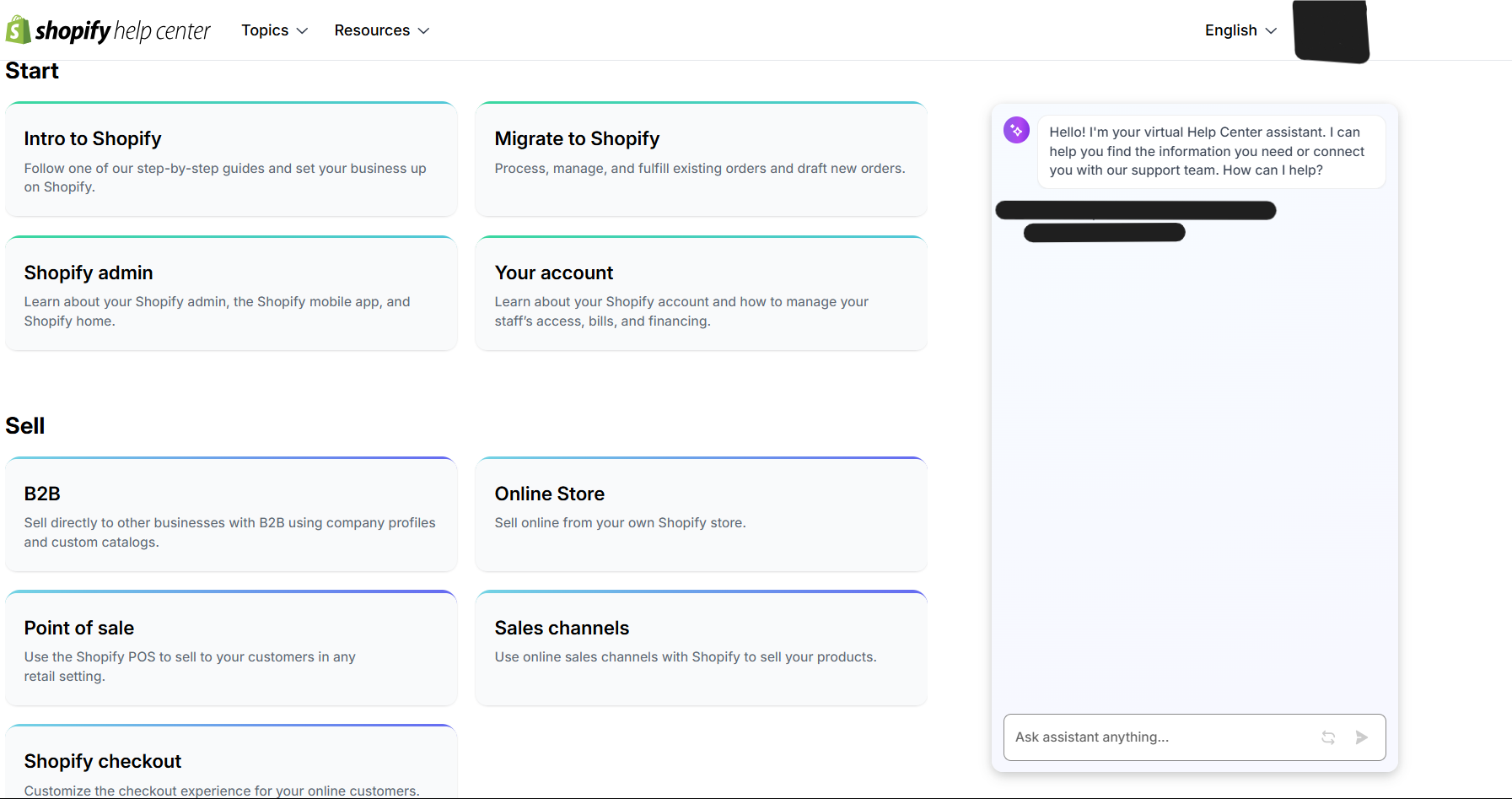
Shopify provides basic support services for merchants or entrepreneurs to get answers to their enquiries and give them the necessary information they need to achieve what they need.
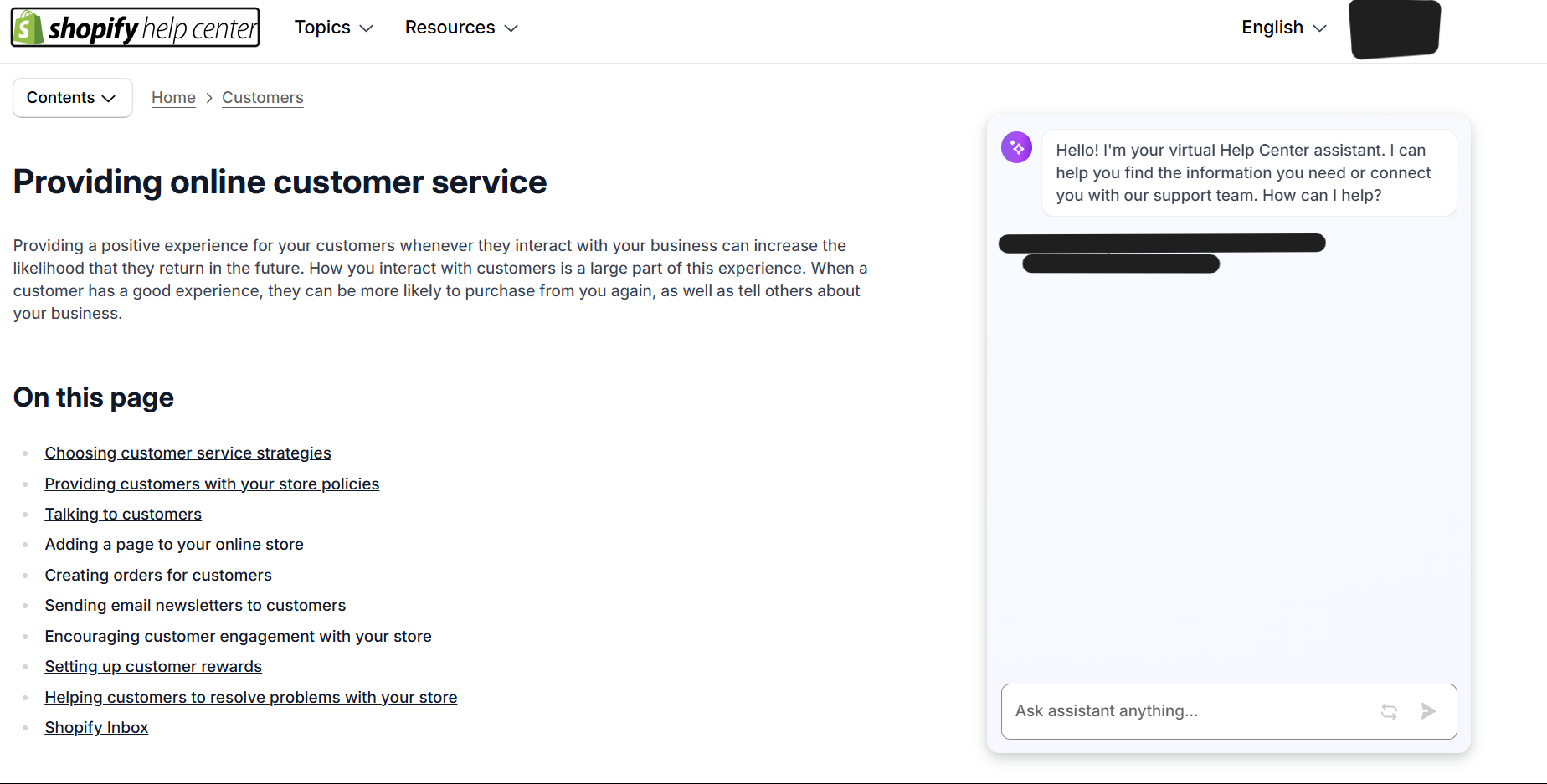
Shopify support services would include Email and online Chatting support available 24/7, Phone-Dial support for higher plans, devoted Help Centre, gain access to the support community forums and have the educational resources from Shopify Academy.
This versatile support system targets to qualify merchants with the needed knowledge and overall assistance in order to easily navigate through Shopify and manage to grow their businesses.
The current support services Shopify provides to consumers are as follows:
- Email & Chat:
Contact support via Emails or Chats online when pondering for assistance or any needed support you may ever encounter while using Shopify, this service are available 24-Hours a day. - Phone Dial:
Phone Dials are available if you have paid for a higher priced plan as this form of service can be instant and provides personalized assistance coming from Shopify’s very own dedicated customer service team. - Support Centre:
Explore Shopify’s very own online resource-rich place where you can find valuable articles, guides and even tutorials which could aid users answer their questions when possible, this will usually cover a large range of topics all related and referring over to Shopify’s very own platform. - Community Forums:
The place where you can discover and interact with various kinds of merchants from all kinds of industries, share your experiences, tips and any form of solutions for common challenges faced within Shopify. - Shopify Academy:
Gain the knowledge from free online courses and rich resources all specifically made to help users learn more in-depth about E-commerce, ways to improve their E-commerce Stores and how they can transform their business into success.
Shopify Plus:
While standard Shopify provides the basic needs from support services for merchants and entrepreneurs, Shopify Plus will be providing the same support services found in the standard Shopify plans with more priority and features, mainly for the Help Centre, Community Forums and the Shopify Academy.
In addition to this, Shopify Plus comes with additional support services to further aid consumers in a wider range of dedicated services such as Troubleshooting and Migration support.
- Troubleshooting Support:
Whenever any issues occurs and it is related to technical or operational flaws, Shopify Plus offers a fast and reliable support service to solve those issues. This service provides Shopify Plus consumers with priority support from Experts and will minimize the disruption caused within business operations. - Integration Support:
Get valuable knowledge and resources from Experts to easily connect Shopify Plus over to third-party apps, tools and systems such as ERP, CRM or even marketing platforms. This service allows for a smooth integration across businesses in order to maintain fast and efficient workflows and improve the overall functionality. - Custom Technical Support:
A fully personalized service tailored for businesses that have unique technical requirements, some of these unique requirements would include, implementing customizations or management of complex systems. Shopify Plus enhances their consumer’s experience by providing proficiency in giving solutions and support for challenges to ensure the up-most platform optimal performance. - Migration Assistance:
This service helps businesses to help transition their stores from one E-commerce platform over to Shopify Plus, this would include the transfer of the system, store data, setup and the whole database linked to the store over to Shopify Plus. Doing tis will allow for a streamlined process during migration with minimal disruption and preserving the continuity of the business or brand. - API Support:
By signing onto Shopify Plus, you will be able to access their very own devoted support solely for all enquires or problems regarding API. This will aid businesses to easily construct custom apps, automation of workflows and develop integrations smoothly. This support service will benefits businesses as they can take full advantage of Shopify’s full capabilities as a whole in order to achieve their business’s goals.
Shopify VS Shopify Plus: Which is best for you?
When making the decision of choosing between Shopify and Shopify Plus, the final decision may be overwhelming.
When are going to select which of these two platforms you need to first identify what kind of business you are managing or working in.
These two platforms could severely impact your business as a whole as Shopify standard is known for at most medium-sized businesses, whereas Shopify Plus is catered for Enterprise-Level Businesses.
You should also consider these questions before you make your final decision:
- What are your current estimate of Sales?
- To what extent do you need for control over your store’s functionality and overall design?
- How much is your budget?
- What are your Long-Term Business Goals during its growth?
- Does your business’s requirements need state-of-the-art features?
Small to medium businesses, those just starting out or have a small to limited budget:
- Shopify would be the best choice. Shopify by itself is already affordable and provides a wide range of features and have some of the most user-friendly interfaces of all E-commerce platforms on the market.
Enterprise-Level Business or High Profit Businesses:
Shopify Plus would be the best choice. Shopify Plus allows businesses to have a versatile, large range of advanced features and much needed dedicated support to ensure growth for complex business operations.
All-in-all, the perfect way to justify which of these platforms is the best for you will all come down to what your specific requirements are and what are the priorities of your business.
By taking into account between the two platforms of their prices and what kind of benefits they provide, you may have to first try out their free trials before using up your expenses unnecessarily. Check out more articles like this one on Vue Digital Signage: Shopify VS Shopify : Ultimate Showdown!
]]>Introduction to Web Hosting
Web hosting is the backbone of any website, providing the necessary infrastructure to make your site accessible via the internet. Whether you’re a blogger, small business owner, or enterprise, selecting a reliable web hosting provider can significantly impact your website’s performance, stability, security, and user experience.
SiteGround: Premium Features and Performance
SiteGround is renowned for its premium features and exceptional customer support. Here’s what sets SiteGround apart:
- Performance: SiteGround offers top-notch performance with SSD storage, NGINX servers, and a custom caching solution called SuperCacher.
- Security: Advanced security features include daily backups, AI-driven anti-bot system, and free SSL certificates.
- Customer Support: 24/7 support via live chat, phone, and tickets, with a reputation for quick and helpful responses.
- Pricing: SiteGround’s plans start at a higher price point compared to other competitors, but the premium features justify the cost for many users.
While SiteGround excels in performance and support, the higher cost might be a barrier for budget-conscious users. Users with enough budget and not having may websites may consider SiteGround.
Hostinger: Cost-Effective and Stable Hosting
Hostinger stands out as the most cost-effective and stable option among the top web hosting providers. Here’s why:
- Affordability: Hostinger offers some of the most competitive pricing in the industry, making it an excellent choice for beginners and small businesses. When running a promotion, it can start from 1.99 USD per month.
- AI-Powered Website Builder: Similar to Wix, Hostinger provides an AI-powered website builder that simplifies the process of creating a professional website, friendly for beginners.
- Versatile Hosting Solutions: Hostinger offers both shared hosting and VPS hosting, catering to a wide range of needs, from simple blogs to complex Linux-based applications like MEAN or MERN stack nodejs applications.
- Performance: With data centers worldwide, Hostinger ensures fast loading times and reliable uptime with the nearest data center.
- Customer Support: 24/7 customer support is available through live chat and email, providing quick and efficient assistance.
Hostinger’s combination of affordability, stability, and advanced features makes it a top choice for many users. For users with a limited budget and knowledge of websites, it is a great start, when the needs arise, hostinger can also handle the needs easily.
Bluehost: Reliable and User-Friendly
Bluehost is a popular choice, especially among WordPress users, due to its reliability and user-friendly interface. Key features include:
- WordPress Integration: Bluehost is officially recommended by WordPress.org, offering seamless integration and one-click installations.
- Performance: Bluehost provides robust performance with SSD storage and a free CDN.
- Unlimited Storage: Bluehost provides unlimited storage, which is not provided by any other servers, very cost-effective for users to host many email accounts with heavy usage.
- Security: Features include free SSL certificates, SiteLock, and CodeGuard for enhanced security.
- Pricing: Bluehost offers competitive pricing, but renewal rates can be higher than the initial sign-up cost.
Bluehost is an excellent choice for WordPress users, but the renewal pricing can be a downside for long-term users.
DreamHost: Flexible and Developer-Friendly
DreamHost is known for its flexibility and developer-friendly features. Here’s what makes DreamHost unique:
- Custom Control Panel: DreamHost offers a custom control panel that provides more flexibility than traditional cPanel-based hosts.
- Unlimited Bandwidth: Most plans come with unlimited bandwidth, making it ideal for high-traffic sites.
- Developer Features: DreamHost supports multiple programming languages and offers features like SSH access and Git integration.
- Pricing: DreamHost offers competitive pricing with a 97-day money-back guarantee, one of the longest in the industry.
DreamHost is a great choice for developers and users who need more control over their hosting environment. For users who want to test the server and get money back even after 30 days, Dreamhost is a great choice.
TMDHosting: Affordable and Feature-Rich
TMDHosting provides affordable and feature-rich hosting solutions. Key features include:
- Performance: TMDHosting offers SSD storage, free CDN, and multiple data center locations for optimal performance.
- Security: Features include free SSL certificates, daily backups, and a web application firewall.
- Customer Support: 24/7 customer support is available through live chat, phone, and tickets.
- Pricing: TMDHosting offers competitive pricing with a variety of plans to suit different needs.
TMDHosting is a solid choice for users looking for affordable and feature-rich hosting, but it may not offer the same level of advanced features as some competitors.
Comparison of Key Features
| Feature | SiteGround | Hostinger | Bluehost | DreamHost | TMDHosting |
|---|---|---|---|---|---|
| Pricing | Higher price point | Most affordable | Competitive | Competitive | Competitive |
| Performance | Excellent | Very good | Good | Good | Good |
| Security | Advanced features | Standard features | Standard features | Standard features | Standard features |
| Customer Support | Excellent | Good | Good | Good | Good |
| Ease of Use | User-friendly | User-friendly | Very user-friendly | Developer-friendly | User-friendly |
| Unique Features | SuperCacher, AI anti-bot, stable performance | AI website builder, best price with the specs | Unlimited storage | Custom control panel, 97 days money back | Free CDN, multiple DCs |
| Visit Website | SiteGround | Hostinger | Bluehost | DreamHost | TMDHosting |
Why Hostinger is the Most Cost-Effective and Stable Option
Hostinger stands out as the most cost-effective and stable option due to its combination of affordability, performance, and advanced features. The AI-powered website builder makes it easy for anyone to create a professional website, while the versatile hosting solutions cater to a wide range of needs. With competitive pricing and reliable customer support, Hostinger offers excellent value for money.
Conclusion
Choosing the right web hosting provider is essential for the success of your online presence. While SiteGround, Bluehost, DreamHost, and TMDHosting each have their strengths, Hostinger emerges as the most cost-effective and stable option in 2025. Its affordability, AI-powered website builder, and versatile hosting solutions make it an excellent choice for beginners, small businesses, and anyone looking for reliable and budget-friendly web hosting.
]]>Find out which brand is best
To assist you in navigating this decision-making process, this comprehensive comparative analysis delves into the key aspects that differentiate HikVision and Samsung interactive whiteboards.
In this ever-changing technologically defined era, interactive whiteboards have emerged as an indispensable tool for businesses, educational institutions and remote businesses. These devices are dynamic and seamlessly merge the functionality of traditional whiteboards with its cutting-edge technology, provides versatile platforms for collaboration, learning and discussing information. By enabling interaction in real-time and fostering enhanced productivity, interactive whiteboards have changed our ways of how we host our meetings, idea brainstorming and communication between one another. With the wide variety of options all available on the market, just selecting the perfect intractive whiteboard can be the hardest and most daunting task.
Amongst all the contenders in the competitive market of interactive whiteboards, two stands out the most, HikVision and Samsung, these two are renowned brands known for their innovation and feature-rich products. Both brands offer a wide range of interactive whiteboards designed to cater the ever-evolving requirements of modern users, whether it is in the corporate boardrooms, classrooms or virtual meeting areas. Although both brands share a common goal of boosting their productivity and smoothly streamlining their workflows, both brands deviate differently in terms of their design ideals, technological offers and targeted audiences.
In order to further assist you in making this dreadful decision-making process of which brand to buy your interactive whiteboards from, we will dive deep into a comprehensive analysis of both brands by comparing the key aspects that differentiate both brands from one another, HikVision and Samsung interactive whiteboards. We will dive down into many factors such as the screen size, resolution, operating system, AI Function, touch sensitivity, annotation tools, integrated speakers/microphones, camera capabilities, connectivity options, software compatibility, warranties and pricing.
By the end of this in-depth evaluation of both brands, you should have a much clearer understanding of which brand you should get your interactive whiteboards from and which best suits your specific requirements and budget, this will let you make a confident and well-informed buyer from either of these brands, HikVision and Samsung.
Meet the Contenders
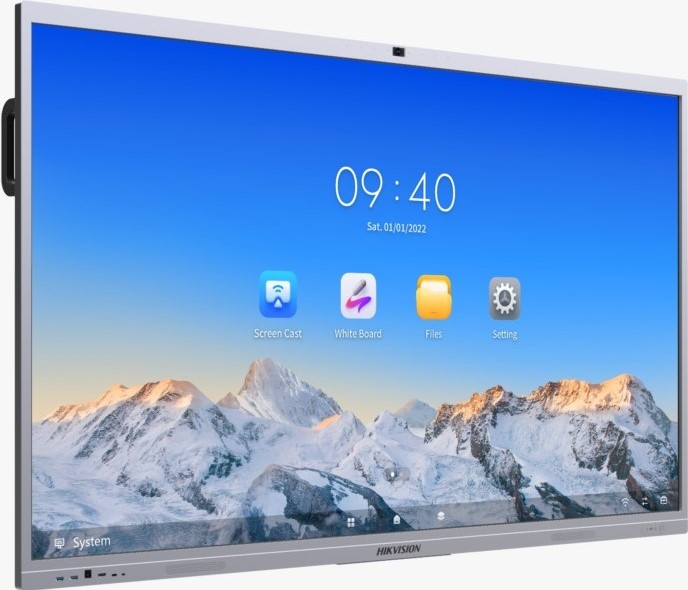
HikVision:
One of the global leaders in innovative technology, HikVision, have expanded their product lines to include new range of interactive whiteboards. They are designed to meet the specific requirements of businesses, institutions and collaborative environments. These devices offer advanced features such as anti-glare technology, multi-touch screens and a built-in operating system from Android for seamless integration with its various applications. HikVision‘s focuses primarily on the affordability while still providing high-quality products that are accessible to a wide range of consumers.
In recent times, HikVision has shook the business industry as they had recently incorporated AI functionality into its interactive whiteboards, this ground-breaking move has set a whole new standard for industries across the globe. HikVision has incorporated AI-powered features that would include handwriting recognition, voice commands and automated optimization of content as well as streamline several tasks and overall increase any user’s productivity. HikVision‘s newly AI-powered features are able to anticipate user needs and making complex processes much easier, their interactive whiteboards also offer a overall user-friendly and more efficient experience while using their interactive whiteboards.
By combining these advanced features and the overall competitive pricing, HikVision‘s interactive whiteboards show us what a forward-thinking solution would look like for organizations who are seeking smart, intuitive and collaborative tools. Whether the use be for education, businesses or any other professional setting, these devices are all equipped to change the way people share, learn and innovate together.
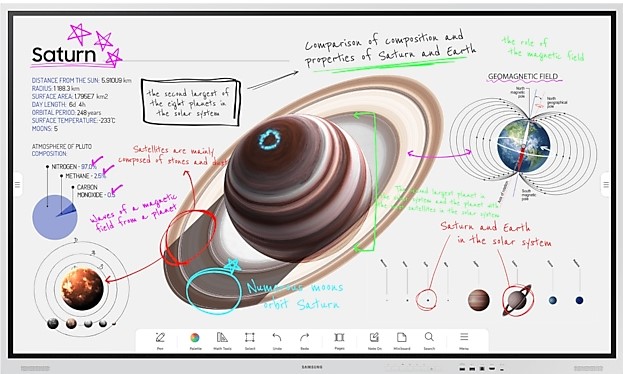
Samsung:
One of the more well known globally recognized technology leaders, Samsung, have recently introduced their new Flip interactive whiteboard series in order to compete in the ever-growing market for collaborative digital tools. These devices have been renowned for its high-quality visuals, ultra-high definition displays featuring vibrant colors and sharp details. The Flip series are able to integrate easily with other Samsung devices such as, smartphones, tablets and even laptops, providing a workflow that streamline users within the Samsung ecosystem.
One of the many key features of the Samsung Flip series is its ability to have multiple windows open at once, this functionality is able to provide users to display and interact with many pieces of content all at once. Moreover, this is beneficial for brainstorming and showcasing presentations, the effectiveness all comes down to the familiarity of the user to Samsung’s user interface as well as its design. The Samsung Flip series of interactive whiteboards also provide multiple touch controls as well as annotation tools for real-time interaction. The functionality of these features would definitely vary amongst other brands.
The elegant design of the Flip series interactive whiteboards often complement the modern office and classroom aesthetics, this are primarily appealing for users who are seeking uniformity within Samsung’s product ecosystem. However, Samsung Flip series interactive whiteboards often offer unique features, most potential buyers would often carefully evaluate how some of these devices would fare up against other interactive whiteboards from other brands by the terms of its compatibility, pricing and overall performances.
HikVision VS Samsung Interactive Whiteboard
Feature | HikVision | Samsung |
|---|---|---|
| Screen Size | 65” – 98” | 65” – 86” |
| Resolution | 4K – 8K | 4K – 8K |
| Google EDLA | Yes | Yes |
| Operating System | Android 13.0/14.0, Windows Enterprise | Android 13.0 |
| AI Functionality | Yes (AI-Powered Cam/Mic) | No |
| Touch Points | 45–50 | 40 |
| Annotation Tools | Yes | Yes |
| Speaker/Microphone | Yes | Yes |
| Camera Quality |
|
|
| Connectivity Options |
|
|
| Compatible Software |
|
|
| Latency Time | 6ms – 8ms | ≤45ms |
| Response Time | ≤10ms | ≤10ms |
| Warranty | 3 Years | 5 Years |
| Price | Affordable | Exclusive |
Beyond the Specs: Dive into the User Experience
Despite the technical specifications of the screen size, resolution, operating system, AI Functions, touch points, annotation tools, speaker & microphone quality, camera performances, connectivity options, compatible softwares, latency time, response time, warranty and price. These provices a solid foundation when comparing interactive whiteboards, however, these do not tell the whole story behind them. While user experience plays a very important role when determining the true value of a device, factors such as how simple initial setup would be, the interface clarity, software optimization and the after-sales support. All of which plays a role which could significantly impact the effectiveness of an interactive whiteboard for how well it would be able to integrate into your workflow or learning environment.
Here are some of the key considerations that go beyond just simple text and numbers:
Latency & Response
- Latency:
The lower the latency is, means the application or the device is much more responsive. This is due to having a less delay after performing a action, providing a smooth experience in your work. This is a extremely important factor when it comes to real-time writing or drawings. - Response:
A good response time would mean how fast the screen is able to reflect your actions in the most accurate and most precise manner. This would greatly impact the overall user experience.
Software & Ecosystem
- Integration of Software:
Software integration are generally more popular in the productivity and collabortation tools as they are essential. Seek for interactive whiteboards that can easily work with software such as Microsoft Teams, Zoom, Google Meet and many more. - Customizability:
Having a flexible and customizable interface under your fingertips would give you the best experience to tailor your interactive whiteboard to your own uniqueness. There are features such as being able to customize your toolbars, shortcusts and even templates. All would give you a better chance to improve on your productivity.
Durability & Reliability
- Quality of Build:
You can easily tell if a interactive whiteboard is well-built if it can withstand without fail from prolonged use. Do look out for interactive whiteboards which are made of sturdy and durable materials. - Warranty:
A good quality warranty would provide you with a calmer mind and ensures that you and your interactive whiteboards are protected from any defects in the product.
More Features
- Present Wirelessly:
Grants you the ability to wirelessly share any of your content from your own device over to another, saving both your time and effort. - Share Screens:
Your screen can be shared from a remote to your participants in order to facilitate collaboration. - Voice Controllability:
Having your hands free during operations can be the best, especially in presentations. - Virtual Ink:
Having advanced virtual ink should provide you with a more and natural writing experience on the interactive whiteboard screen.
Finally, when you are going to consider anything, do take note of these features. So at least now you can choose your idea interactive whiteboard that not only just meets your technical requirements but also gives you the best user’s experience with interactive whiteboards.
HikVision VS Samsung Interactive Whiteboard
User Reviews: A Closer Look
HikVision:
Users Experience with HikVision Interactive Whiteboards
Over at this section of this article, we shall delve into the real-world experiences coming from the users of both HikVision and Samsung, based on the reviews found on their interactive whiteboards. We are going to dive into their experiences on these brand’s interactive whiteboard’s performances, reliability, overall satisfaction and impressions. By analzying the experiences, we aim to provide valuable insights to further advise you when you make your well-informed decision on which brand should fit into your best needs.
- Issue:
A couple of users have often asked about their newly purchased HikVision Interactive Whiteboards about it not having the playstore installed by default or missing software like Microsoft Teams, Zoom and other similar applications. - Technical Support:
The customer support team in HikVision have been praised numerous times for their short response time and effectiveness while addressing such problems. They have demonstrated excellent persistence and have the most patience while helping customers troubleshoot their problems while also providing well timed advice to further solve their problems. - Availability & Information of Product:
Some users are often concerned about the availability of information for specific products on HikVision‘s support page. However, most found that HikVision‘s customer support team have been actively giving information while addressing the customer’s inquiries which eases their mind on the lack of information on the support page as the customer support team have provided just enough information to resolve such inconveniences. - Positive Aspects:
Despite HikVision‘s strong customer support, they have also have been praised many times for their newly featured AI-Powered Features on their interactive whiteboards. Features such as real-time object recognition, handwriting recognition and intelligent noise cancellation, all while improving the overall experience and productivity for the user. - Impression:
With the combination of HikVision‘s extremely reliable customer support service and also having their innovative AI features, both factors have greatly contributed to the overall positive user experiences with HikVision‘s interactive whiteboards.
Judging from the comparison of the two brands above, we can see that having a reliable and informative customer support as well as having a good connectivity on the interactive whiteboard greatly supports your choice when you are considering to purchase a interactive whiteboard from either HikVision or Samsung.
Conclusion: Which brand should you consider?
In this ever-growing business of interactive whiteboards, HikVision and Samsung have both offered very captivating solutions for businesses and educational institutions. Both brands have provided high-quality displays, advanced features and overall, a excellent performance from both brands.
Although Samsung offers a smooth design and unique user interfaces, HikVision have gained a upper hand in terms of positive reputation due to its affordable solutions and extremely reliable customer support. The commitment HikVision has for providing their innovative features and their excellent after-sale services, this have made it a popular choice for many consumers.
Finally, when you are considering to make your final decision, you should consider factors like the screen size, the resolution, sensitivity, compatible software and the after-sales support. By taking the most caution when evaluating these factors, based on your specific requirements, you should select the ideal interactive whiteboard to further enhance your productivity and overall collaboration.
However, based on the analysis of the overall reviews of the product and its features, HikVision appears to offer a more exquisite proposition over Samsung, especially if you factor the affordable prices HikVision offers. Despite this, HikVision demonstrates clearly that it has a upper hand over Samsung in this interactive whiteboard industry. The ultimate decision to finding your ideal interactive whiteboard all depends on your preference as a customer, as factors such as specific features, usability and brand loyalty often play a crucial role when choices are played. Explore more articles like this on Vue Digital Signage’s Website: Ultimate Showdown: HikVision VS Samsung Interactive Whiteboard
]]>This article delves into a detailed comparison of three popular options: Fluent Form, WPForm, and Contact Form 7. We’ll analyze their features, pricing, ease of use, and other essential factors to help you make an informed decision that best suits your website’s needs.
Ease of Use
- Fluent Form: Excels in user-friendliness with its intuitive drag-and-drop builder. Layouts and customization options are straightforward, making form creation a breeze for beginners and experienced users alike.
- WPForm: Also utilizes a drag-and-drop interface, but some users might find it slightly less intuitive compared to Fluent Form.
- Contact Form 7: Requires manual configuration and coding knowledge, making it significantly less user-friendly for those without technical expertise.
Features and Functionality
- Fluent Form: Provides a wide range of features, including standard form fields (text, email, dropdown), advanced options (file upload, payment, calculations), and conditional logic. It integrates with various popular email marketing services, CRMs, and payment gateways.
- WPForm: Offers a good selection of standard form fields, but advanced features like payment integrations or custom calculations might require premium plans. Integration options are decent, but depend on the pricing tier.
- Contact Form 7: Lacks most advanced features and offers limited customization. However, it can be extended with additional plugins, requiring coding knowledge for effective utilization.
Pricing
- Fluent Form: Offers a free plan with essential features, allowing you to test its functionality. Paid plans unlock advanced features and integrations at affordable prices.
- WPForm: Provides a free plan with limited functionality. Premium plans are necessary for most advanced features and integrations.
- Contact Form 7: Completely free but lacks essential features and has limitations. Additional functionalities often require paid third-party plugins.
Security and Spam Protection
- Fluent Form: Implements robust spam protection measures like CAPTCHA, honeypot, and advanced spam filtering, ensuring your forms remain secure and free of unwanted submissions.
- WPForm: Offers basic spam protection, which might be insufficient for high-traffic websites or those susceptible to spam attacks. Upgrading to premium plans might unlock additional spam protection features.
- Contact Form 7: Has minimal built-in spam protection capabilities. Relying solely on this plugin can leave your forms vulnerable to spam. Additional anti-spam plugins might be necessary.
User Experience and Support
- Fluent Form: Prioritizes user experience with a clean interface and comprehensive documentation. Responsive customer support is readily available to assist you with any issues.
- WPForm: Delivers a decent user experience and provides support resources. However, the support might be limited compared to Fluent Form, especially with the free plan.
- Contact Form 7: Relies primarily on community support for troubleshooting. This can be inconsistent and time-consuming to find solutions. The learning curve can be steep for beginners without technical expertise.
Fluent Form vs WPForm vs Contact Form 7: A Comprehensive Comparison
Here’s a comprehensive comparison table of the three WordPress contact form plugins:
| Feature | Fluent Form | WPForm | Contact Form 7 |
|---|---|---|---|
| Ease of Use | Excellent (Drag-and-Drop) | Good (Drag-and-Drop) | Moderate (Manual Configuration) |
| Customization | Extensive (CSS & JS) | Limited (Premium Required) | Limited (Coding Required) |
| Features | Rich (Conditional Logic, Multi-Step, File Uploads) | Good (Conditional Logic, File Uploads) | Basic |
| Integrations | Extensive (Email Marketing, CRM, Payment Gateways) | Good (Email Marketing, CRM) | Limited |
| Spam Protection | Robust (CAPTCHA, Honeypot) | Basic | Weak |
| Pricing | Free & Premium | Free & Premium | Free |
| User Experience | Excellent | Good | Moderate |
| Support | Excellent | Good | Community-Based |
Remember: This table provides a general overview. Specific features and pricing may vary depending on updates and changes made by the plugin developers. It’s always recommended to visit the official websites of Fluent Form, WPForm, and Contact Form 7 for the most accurate and up-to-date information.
Fluent Form Free vs. Pro Version Comparison
| Feature | Free Version | Pro Version |
|---|---|---|
| Core Features | ||
| Drag-and-Drop Builder | Yes | Yes |
| Conditional Logic | Yes | Yes |
| Multi-Step Forms | Yes | Yes |
| File Uploads | Yes | Yes |
| Integrations (Email Marketing, CRM) | Limited | Extensive |
| Advanced Features | ||
| Payment Forms | No | Yes |
| Calculation Fields | No | Yes |
| Customization | ||
| CSS & JavaScript Integration | Limited | Full |
| Custom Themes | Limited | Extensive |
| Support | ||
| Priority Support | No | Yes |
| Knowledge Base | Yes | Yes |
Conclusion
Choosing the best WordPress contact form plugin hinges on your specific needs and priorities. Let’s summarize the key takeaways:
- For ease of use and extensive features: Fluent Form is an excellent choice with its intuitive builder, advanced functionalities, and affordable price plans.
- For a balance of features and affordability: WPForm can be a good option, but keep in mind that some advanced functionalities require premium plans.
- For basic functionalities and free usage: Contact Form 7 might be suitable, but its limitations and lack of user-friendliness should be considered.
By carefully evaluating the factors discussed in this comparison, you can select the contact form plugin that aligns best with your website’s goals and enhances your user experience.
Ready to unlock the full potential of Fluent Form?
Upgrade to the Pro version today and experience advanced features, premium support, and unlimited customization option
]]>
Shopify vs Woocommerce: side by side comparison
| Feature | WooCommerce | Shopify |
| Ease of Use | Requires more technical knowledge for setup and customization. While it offers greater flexibility through themes and plugins, it might involve additional steps like installing a separate page builder plugin for drag-and-drop functionality. Free themes often lack these features compared to premium options. | Offers a user-friendly interface with built-in drag-and-drop editing for themes, making it easy to set up and customize your store without much technical knowledge required. |
| Cost | WooCommerce is a free ecommerce platform , , but running your online store requires additional expenses like separate hosting (starting around $4/month), domain name (around $10/year), and potentially paid plugins (ranging from $0 to $480/month) depending on your needs. | Paid monthly plans, includes hosting, domain name (optional add-on fee), and some features. Start from $29/mo to $299/mo |
| Scalability | Highly scalable with a vast array of themes and plugins | Scalable with tiered pricing plans and app store integrations |
| Customization | Highly customizable with themes and plugins | Moderately customizable with themes and apps |
| Security | WooCommerce requires a more hands-on approach to security. This involves finding a reliable web host that provides an SSL certificate and installing additional plugins to guarantee comprehensive protection for your store. | Shopify prioritizes security with robust measures to safeguard your business. Built-in features like SSL certificates, fraud detection, and 2-step authentication ensure the safety of both merchant and customer information. |
| Payment Processing | Wide range of options via plugins | Integrates with popular payment processors |
| Sales Features | Requires plugins for advanced inventory management, promotions, shipping, and tax configuration | Offers built-in features for managing inventory, creating promotions, configuring real-time shipping rates, and setting up tax rules |
Ease of Use: WooCommerce vs. Shopify
Shopify:
- Ease of Use: Known for its user-friendly interface. Customization primarily involves choosing and editing themes within Shopify’s theme store. Most themes offer drag-and-drop functionality for easy layout adjustments.
- Web builder: Shopify builders are known for their pre-made blocks, like image & text sections or image banners. This drag-and-drop approach is perfect for beginners with no web design experience. You can easily customize your store’s layout using these pre-built elements.However, compared to builders like Elementor for WordPress, Shopify offers less flexibility. While you can customize the pre-made blocks, you can’t design layouts entirely from scratch based on your specific vision.
- Theme:Shopify themes are pre-designed templates with built-in drag-and-drop builders and pre-made elements (like image blocks, product showcases, etc.). They come in both free and paid options, with free themes offering a solid foundation for basic stores and paid themes (like ella theme will be a good choice), providing a wider selection of elements, advanced features, and more customization for a more professional and unique look.
- Technical Knowledge Required: Minimal technical knowledge needed. Shopify handles most security features and manages hosting.
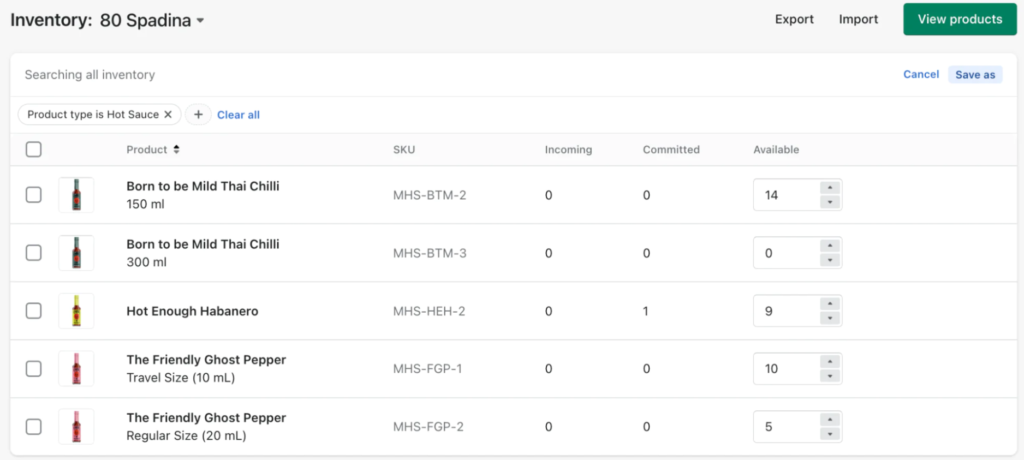
WooCommerce:
- Ease of Use: Requires more technical knowledge than Shopify. Customization offers more flexibility but involves additional steps.
- Web Builder Integration: While WooCommerce itself isn’t a website builder, it integrates well with popular page builder plugins like Elementor, Beaver Builder, and Divi. These plugins offer drag-and-drop interfaces for easier customization, but may require some familiarity with using plugins.
- Themes: WooCommerce offers free and paid themes. Free themes typically lack the visual builder functionality found in premium themes or when using a separate page builder plugin.
- Technical Knowledge: More technical knowledge is needed compared to Shopify. You’ll need to find a web host, install and configure WooCommerce and potentially a page builder plugin, and manage security features like SSL certificates.
In essence, Shopify provides a closed system that’s very user-friendly, while WooCommerce offers more control and flexibility at the expense of requiring more technical knowledge and setup effort.
Cost: WooCommerce vs. Shopify
Cost is a crucial consideration for any business venture. Here’s a breakdown of the pricing structures for both platforms:
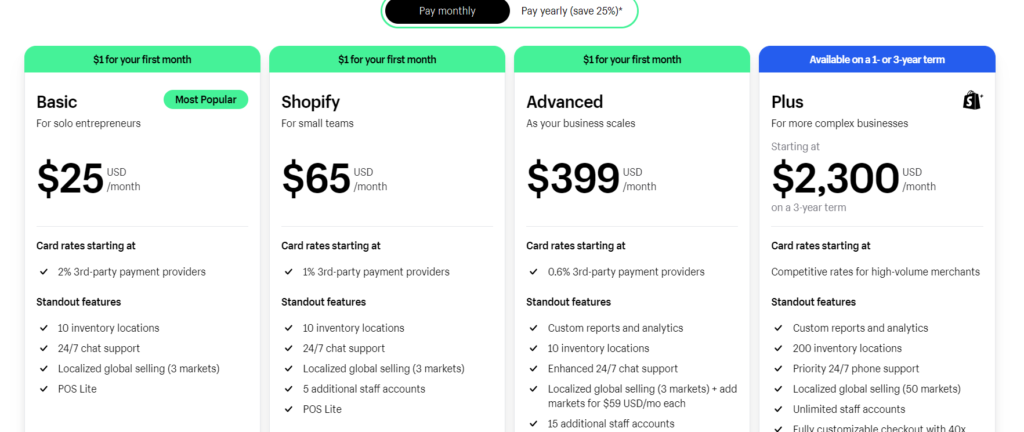
Shopify: Shopify offers a tiered pricing plan, with monthly fees ranging from USD$25 to USD$399. These plans come with varying bandwidth allowances, storage capacities, and included features. Additionally, Shopify levies transaction fees on each sale, typically ranging from 0.6% to 2% depending on your pricing plan.
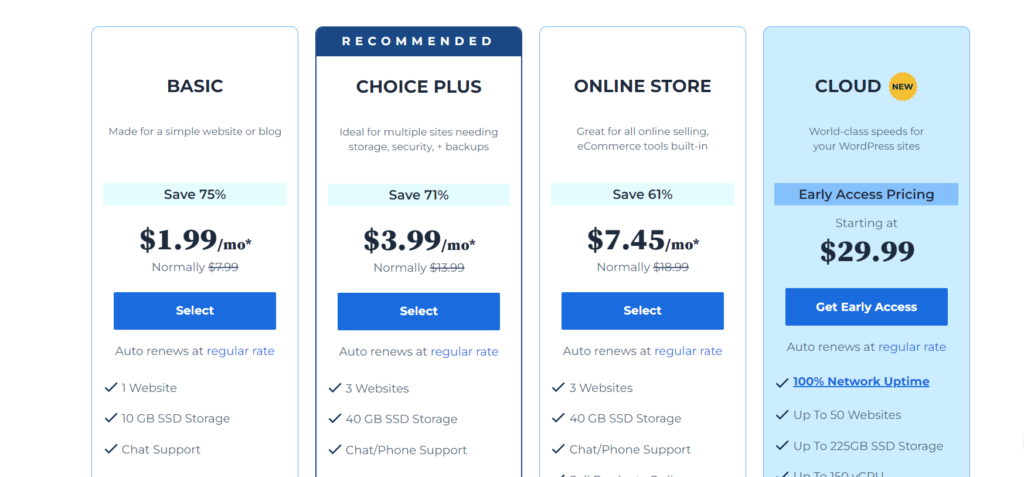
WooCommerce: WooCommerce itself is free to download and use. However, it necessitates WordPress hosting, which can range from a few dollars to tens of dollars per month depending on the plan you choose. You’ll also need to factor in the cost of a domain name, a premium theme (if desired), and any additional plugins you require. While WooCommerce offers greater flexibility in terms of cost management, it requires a more proactive approach to managing your store’s technical infrastructure.
Scalability: WooCommerce vs. Shopify
As your business flourishes, your ecommerce platform needs to adapt and evolve alongside it. Both Shopify and WooCommerce provide scalability to accommodate your growth aspirations.
- Shopify: Shopify’s tiered pricing structure readily accommodates businesses of all sizes. As your sales volume increases, you can seamlessly upgrade to a higher plan with increased bandwidth, storage, and features. Shopify also offers a robust app store brimming with third-party integrations that can extend the functionality of your store and empower you to cater to more complex business needs.
- WooCommerce: WooCommerce’s inherent flexibility empowers you to scale your store to virtually any size. You can leverage a vast array of themes and plugins to add functionalities, enhance your store’s design, and integrate with various marketing, sales, and shipping tools. However, scaling a WooCommerce store effectively necessitates a strong technical aptitude or the assistance of a developer.
Customization: WooCommerce vs. Shopify
For businesses seeking a highly customized online store experience, WooCommerce reigns supreme. As a WordPress plugin, WooCommerce integrates seamlessly with the WordPress ecosystem, granting you access to a vast repository of themes and plugins. These themes and plugins empower you to tailor the look, feel, and functionality of your store to precisely match your brand identity and cater to your specific business requirements.
Shopify offers a reasonable degree of customization through its theme store and app store. However, the level of customization is inherently limited compared to WooCommerce. If you envision a highly unique and bespoke online store, WooCommerce provides a more suitable platform.
Payment Processing: WooCommerce vs. Shopify
Both platforms provide a selection of payment gateways to facilitate secure transactions on your online store
Shopify: Shopify integrates with a wide range of popular payment processors, including Shopify Payments, Stripe, PayPal, and more. Transaction fees may vary depending on the chosen payment gateway.
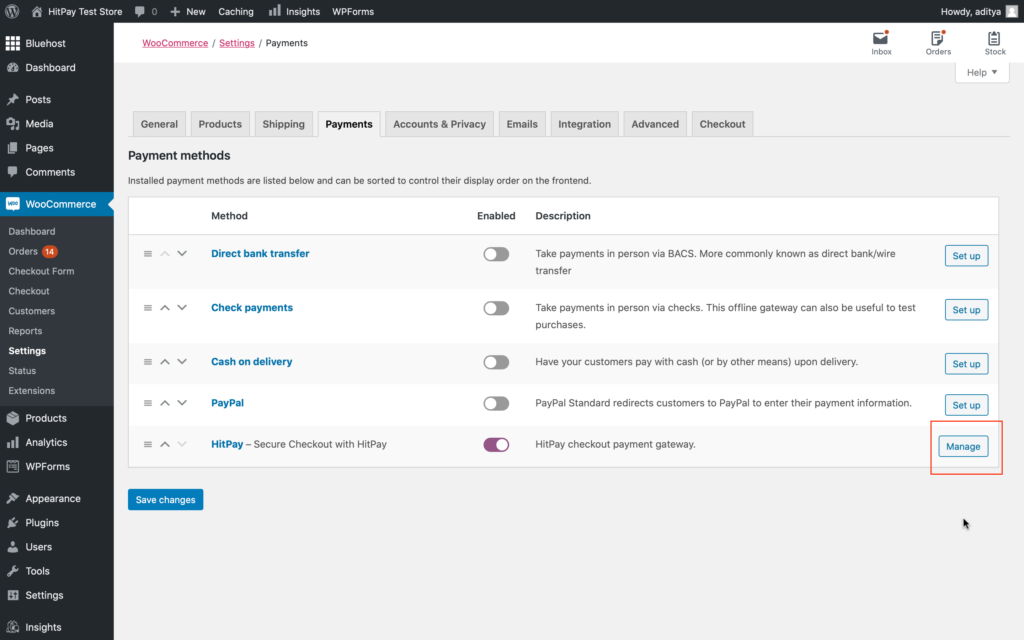
WooCommerce: WooCommerce offers a broader selection of payment gateways through third-party plugins. While this flexibility empowers you to choose the most cost-effective option for your business
Sales Features: Inventory Management – Shopify vs. WooCommerce
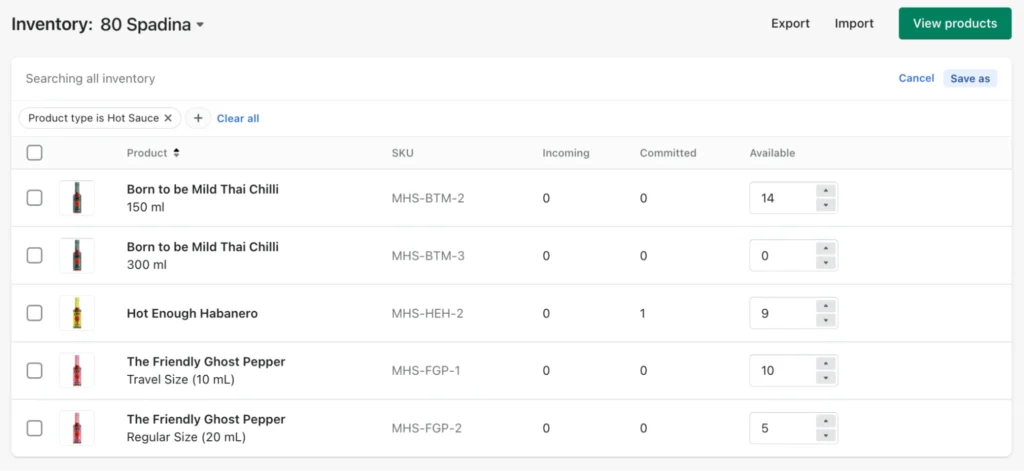
Shopify
- Robust built-in features: No need for additional plugins for advanced inventory management.
- Streamlined workflows: Bulk editing, low stock alerts, and comprehensive reports for efficient inventory control.
- Improved customer experience: Showcase product variations and offer larger bundles for better product presentation.
- Winter ’24 updates: Automatic categorization saves time and improves organization.
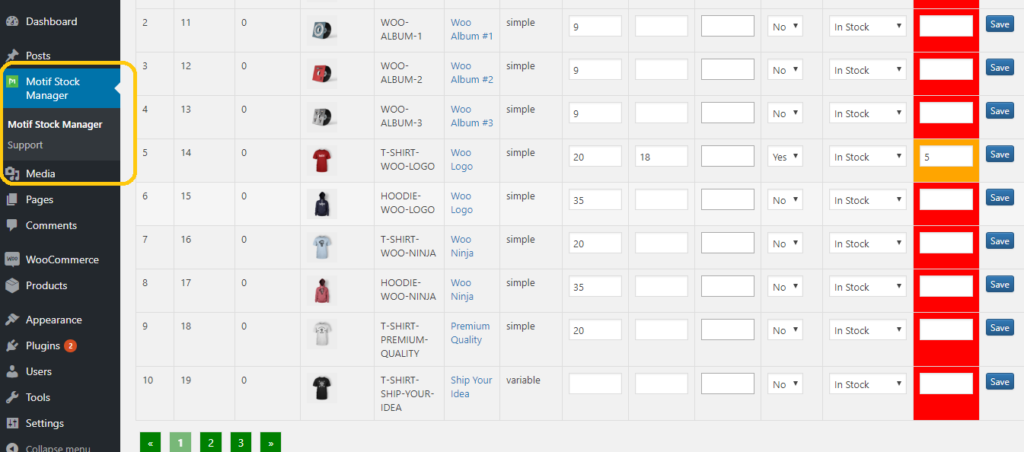
WooCommerce
- Limited built-in features: Requires plugins to achieve similar functionality as Shopify’s built-in features.
- More manual processes: Bulk editing and inventory reports might require additional plugins.
- Customization potential: Plugins offer extensive customization options for inventory management.
- Lower barrier to entry: Free and paid plugins cater to various budget needs.
WooCommerce vs. Shopify : A Clear Advantage
While WooCommerce offers basic inventory management features, Shopify provides a more comprehensive and user-friendly solution that scales with your business. Shopify’s built-in features eliminate the need for additional plugins, saving you time and money. Automated functionalities and insightful reports empower you to make data-driven decisions and optimize your inventory for success.
Top Ecommerce Security: WooCommerce vs. Shopify
Security: A Shared Responsibility
In today’s digital world, robust security is non-negotiable for any online store. This goes for both merchants protecting their business data and customer information, and for buyers ensuring their personal details and financial transactions are safe.
Shopify: Security Built-In
As a dedicated e-commerce platform with thousands of stores under its wing, Shopify prioritizes security. This makes it a strong contender for merchants seeking a secure platform. Here’s why:
- Out-of-the-Box Security: Even with the most basic Shopify plan, you get essential security features like:
- Default SSL Certificates: This encrypts data transfer between your store and customers, safeguarding sensitive information.
- Fraud Analysis Tool: Shopify proactively monitors for suspicious activity to minimize the risk of fraudulent transactions.
- 2-Factor Authentication (2FA): This extra layer of login security adds a code requirement, making unauthorized access more difficult.
- Dedicated Login Areas: Manage all your security settings conveniently in one centralized location.
WooCommerce: Security Requires More Effort
While WooCommerce offers some security features like 2FA for admin accounts, it requires more user involvement to achieve a comprehensive security posture:
- Self-Managed Security: The onus falls on you to identify and implement additional security measures to protect your store.
- Finding a Secure Host: You’ll need to research and choose a reputable ecommerce hosting provider with robust security features, including SSL certificates (a must-have for any online store). WooCommerce itself recommends Bluehost as a secure hosting option.
- Security Plugins: Several popular WooCommerce plugins provide comprehensive security solutions like Jetpack, Shield Security, Sucuri Security, Security Ninja, and Wordfence Security. These require research, installation, and ongoing maintenance.
The Takeaway: Peace of Mind with Shopify
The additional research and management required for WooCommerce security can be time-consuming. Shopify, with its built-in security features, offers a more streamlined and user-friendly approach. This can give you greater peace of mind knowing your store and customer data are well-protected.
Choosing the Right Ecommerce Platform: A Feature-Based Guide
Selecting the best ecommerce platform for your online store can feel overwhelming. This guide explores key features to consider based on your specific needs, helping you navigate this critical decision.
Scalability: Building for the Future
If long-term growth is your vision, consider these essential features:
- Robust Inventory Management: Look for a platform with built-in tools for handling large inventory volumes. This might include features like bulk editing, low stock alerts, and comprehensive inventory reports.
- Product Variants: Ensure the platform allows you to create product variations in multiple styles, sizes, or colors. This caters to a wider range of customer preferences and boosts product discovery.
- Flexible Shipping Options: Global shipping capabilities with discounted rates are crucial for reaching a broader audience. Consider platforms that offer integrations with leading shipping providers.
- Advanced Analytics: As your business grows, in-depth analytics become more important. The platform should handle large data sets from website visitors, providing insights into customer behavior and purchase patterns.
Ease of Use: A Smooth Setup Experience
A user-friendly platform streamlines the setup process and ongoing management of your store. Look for these features:
- Pre-made Templates: A library of professionally designed templates allows you to get started quickly without extensive design knowledge.
- Intuitive Store Editor: The platform should offer a user-friendly editor with drag-and-drop functionality for easy customization of your store’s layout and design.
- Responsive Customer Support: Reliable and readily available customer service is invaluable for resolving technical issues and ensuring a smooth setup process.
- Built-in Security Measures: The platform should offer built-in security features like SSL certificates and fraud analysis tools to protect your store and customer data.
Cost Considerations: Managing Your Budget
While upfront costs are important, consider ongoing expenses associated with your chosen platform:
- Free Extensions and Themes: Free options can reduce ongoing costs, but explore the features available and ensure they meet your needs.
- Pricing Plans: Evaluate the features offered by different plan tiers and select a plan that provides the functionalities you need at a reasonable price. Look for special offers or discounts on annual subscriptions.
- Transaction Fees: Understand the platform’s transaction fees associated with each sale. These can impact your profit margins so choose a platform with competitive rates.
Marketing Features: Growing Your Customer Base
Effective marketing is crucial for attracting new customers and growing your business. Explore platforms that offer:
- Social Media Integration: Seamless integration with popular social media platforms allows you to promote your products directly and engage with your audience.
- SEO Tools: Search engine optimization (SEO) features help your store rank higher in search engine results, increasing organic website traffic.
- Email Marketing Tools: Built-in email marketing tools allow you to create and send targeted email campaigns to promote new products or special offers.
- User Behavior Tracking Tools: Track website visitor behavior to understand user journeys and optimize your store layout and product offerings based on customer preferences.
By considering these key features and aligning them with your specific business needs, you can make an informed decision and select the ecommerce platform that empowers you to achieve your online selling goals.
Launch your dream online store with Vuetech Shopify or WooCommerce packages! We even offer government subsidy grants to help reduce the cost. Considering migrating Woocommerce to Shopify? Vuetech can help with that too! Get all the details here
]]>Table of Contents
Introduction to Interactive Whiteboards
Interactive whiteboards, often referred to as digital whiteboard or smart boards, represent a revolutionary advancement in educational and professional technology. By seamlessly integrating the tactile experience of traditional whiteboards with the dynamic capabilities of digital devices, interactive whiteboards empower users to engage with content in a highly interactive and immersive manner.
Through touch, gestures, or specialized styluses, users can manipulate digital content, annotate presentations, and collaborate in real-time, making them indispensable tools for modern classrooms, boardrooms, and training environments. With their ability to facilitate dynamic presentations, foster collaboration, and enhance learning experiences, interactive whiteboards are reshaping the landscape of interactive teaching and communication.

Types and Features of Interactive Whiteboards
Interactive whiteboards come in various types, including touch-sensitive, pen-based, and hybrid models. Touch-sensitive whiteboards allow users to interact directly with the surface using touch gestures, while pen-based whiteboards provide precise control and annotation with a stylus.
Hybrid whiteboards combine both touch and pen input options, offering versatility for different user preferences. Advanced features such as multimedia integration and connectivity options further enhance their usability in educational and professional environments.
These interactive tools facilitate dynamic presentations, collaborative brainstorming sessions, and engaging learning experiences. With their ability to accommodate diverse teaching styles and foster active participation, interactive whiteboards have become indispensable tools for educators, presenters, and professionals seeking to enhance communication and collaboration in today’s digital age. If you want to explore more about the different types of interactive whiteboards available and their features, check out our comprehensive guide on the topic.

Utilizing Interactive Digital Whiteboards for Enhanced Learning
Interactive whiteboards empower educators to create dynamic presentations, facilitate collaborative activities, conduct interactive quizzes, and provide immersive learning experiences. By incorporating multimedia elements such as images and videos, educators can capture students’ attention and reinforce key concepts. Additionally, interactive whiteboards enable real-time collaboration among students, fostering teamwork and communication skills.
Through interactive quizzes and assessments, educators can gauge student understanding and provide personalized feedback. Whether through virtual field trips or interactive simulations, educators can leverage the interactive capabilities of whiteboards to foster collaboration, creativity, and active participation in the classroom. If you’re interested in exploring how interactive whiteboards can enhance your teaching environment, our editor’s pick is Hikvision interactive whiteboard, which has the most advanced hardware and attractive software features.

Enhancing Workplace Collaboration with Interactive Digital Whiteboards
Interactive digital whiteboards are revolutionizing collaboration in professional settings by empowering teams to conduct dynamic presentations, facilitate interactive discussions, and brainstorm ideas with unprecedented ease. These cutting-edge tools seamlessly integrate multimedia elements and real-time collaboration features, transforming traditional meetings into immersive and engaging sessions that enhance productivity and creativity.
With interactive whiteboards, employees can annotate documents, share ideas, and collaborate on projects in real-time, regardless of their physical location. Moreover, the versatility of interactive whiteboards extends beyond in-person meetings to remote work scenarios, where they serve as indispensable tools for conducting virtual meetings and presentations.
In today’s globalized and distributed workforce, remote collaboration is essential for maintaining productivity and fostering team cohesion. Interactive whiteboards facilitate remote collaboration by offering features tailored to virtual meetings, such as screen sharing and video conferencing integration. This enables distributed teams to communicate seamlessly, share ideas, and collaborate on projects in real-time, bridging geographical barriers and maximizing productivity.
Furthermore, the transformative potential of interactive digital whiteboards extends beyond facilitating collaboration to driving innovation and inclusivity within organizations. By providing a platform for brainstorming and idea generation, interactive whiteboards empower employees to contribute creatively to problem-solving and decision-making processes.
This fosters a culture of innovation where diverse perspectives are valued, and ideas are freely exchanged, leading to breakthrough solutions and competitive advantages. Additionally, interactive digital whiteboards play a crucial role in promoting inclusivity within organizations by providing accessible and inclusive collaboration tools.
With features such as accessibility options for users with disabilities and language translation capabilities, interactive whiteboards ensure that all team members can participate fully in meetings and discussions, regardless of their individual needs or backgrounds. This promotes diversity, equity, and inclusion within the workplace, fostering a sense of belonging and collaboration among team members.

Interactive Digital Whiteboards: Driving Innovation in Research and Development
Interactive digital whiteboards are revolutionizing research and development (R&D) environments by providing dynamic platforms for teams to brainstorm ideas, visualize concepts, and collaborate on projects with unparalleled efficiency.
These cutting-edge tools serve as versatile canvases for capturing and refining ideas, enabling teams to sketch out designs, map workflows, and annotate data in real-time, fostering a culture of innovation and experimentation.
With features like remote collaboration capabilities, interactive whiteboards allow teams to collaborate seamlessly across geographic locations, leveraging multimedia elements such as images, videos, and interactive simulations to enhance visualization and accelerate the ideation process.
Furthermore, interactive digital whiteboards facilitate effective communication and idea sharing among team members, enabling them to articulate complex concepts and garner valuable feedback from stakeholders.
By providing a dynamic and immersive collaboration environment, these innovative platforms inspire creativity and promote interdisciplinary collaboration, leading to breakthrough innovations and transformative discoveries.
As organizations continue to invest in R&D, interactive digital whiteboards stand as indispensable tools for fostering a culture of innovation and driving sustainable growth. In essence, interactive digital whiteboards are not just technological tools; they are catalysts for driving innovation and shaping the future of research and development across diverse industries and disciplines.

Disclaimer: The following information is sourced from Vue Digital Signage, and we do not claim ownership of the content.
In a comprehensive Beyond the Whiteboard: Discover the Power of Smart Interactive White board by Vue Digital Signage, various features and specifications were evaluated. According to their findings. This comparison underscores the importance of choosing the right interactive whiteboard for your needs. You can explore the full comparison on Vue Digital Signage’s website: Beyond the Whiteboard: Discover the Power of Smart Interactive White board
]]>